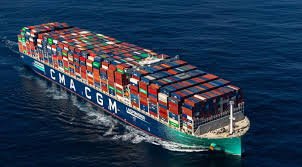
CMA CGM: New FAK Rates and Impact on the Maghreb
Maritime transport is a fundamental pillar of the global economy, representing more than 80% of international trade by volume. Thus, the rate announcements from major shipping companies attract particular attention. CMA CGM, a major player in this sector, has recently unveiled its new FAK (Freight All Kinds) rates, which will come into effect in January 2026. This initiative could have notable repercussions on trade exchanges between Asia, Europe, and North Africa, key regions for global trade. This article examines the implications of these new rates and their impact on the maritime sector in the Maghreb.
What is the FAK rate?
The FAK rate, or Freight All Kinds, is a pricing method in maritime transport that groups all categories of goods under a single rate. This approach simplifies billing for shippers and carriers while offering flexibility for transporting various types of products. FAK rates are particularly advantageous for companies that import and export a wide range of goods, thus allowing for cost reduction and logistics optimization.
CMA CGM: Company Overview
Founded in 1978, CMA CGM is among the largest shipping companies in the world. With a fleet of approximately 500 ships, the company serves over 420 ports internationally, with a particular focus on the Mediterranean and North African regions. In 2022, CMA CGM transported nearly 22 million TEUs (twenty-foot equivalent units), thus consolidating its position as a leader in the sector. The company is also committed to sustainable development initiatives aimed at reducing its carbon footprint and improving the energy efficiency of its fleet. For more information, visit the official CMA CGM website.
The New FAK Rates: Details and Implications
Starting from January 2026, CMA CGM will implement its new FAK rates for routes connecting Asia, Europe, and North Africa. Although the specific details of the rates remain to be clarified, they are expected to reflect market fluctuations and variations in operational costs. This rate revision demonstrates CMA CGM’s adaptability to a constantly evolving business environment.
Impact on Maghreb Businesses
The new FAK rates from CMA CGM could have significant consequences for businesses based in North Africa. The Maghreb, which occupies a central place in trade between Europe and Africa, could experience variations in import and export costs. For example, Tunisian, Moroccan, and Algerian companies that import consumer goods and raw materials from Asia may face increased costs, which could influence prices for consumers.
The Economic and Maritime Context of the Maghreb
The maritime sector in North Africa is undergoing significant transformation, with an increase in investments in port and logistics infrastructure. According to a World Bank study, Algerian ports recorded a 4.5% increase in maritime traffic in 2022, while Moroccan ports, such as Tangier-Med, continue to attract foreign investments due to their strategic position. For statistics on maritime transport, visit the World Bank website.
The Challenges of Sustainability
CMA CGM’s commitment to reducing its environmental impact is a crucial issue for the current maritime sector. Maritime transport accounts for about 3% of global greenhouse gas emissions. The introduction of more competitive FAK rates, while integrating sustainable practices, could help reduce these emissions. Maritime transport companies in the Maghreb must also prepare for these changes to remain competitive in the global market.
Future Perspectives: What Alternatives for Businesses?
In light of the revision of FAK rates, businesses must consider alternatives to manage their costs. This includes exploring new maritime routes, optimizing supply chains, and investing in advanced logistics technologies. The digitalization of maritime transport, through shipment management platforms, can also offer solutions to reduce costs.
Conclusion
The decision by CMA CGM regarding the new FAK rates between Asia, Europe, and North Africa starting from January 2026 marks a significant turning point for the maritime sector, the effects of which will be felt throughout the Maghreb. As businesses adapt to these changes, it is essential that they integrate sustainable practices and optimize their operations to maintain their competitiveness. The future of maritime transport in North Africa will depend on the ability of companies to innovate and adjust to a constantly evolving business environment.
For information on ports in Algeria, visit the website of the Ministry of Transport of Algeria. Discover sustainability initiatives in the maritime sector on the website of the International Maritime Organization. To follow maritime news in the Maghreb, visit the website of L’Économiste Maghrébin. For information on shipping companies, visit the website of The Maritime Executive.