CMA CGM Suspends Its Links with Asia: Impact on the Maghreb
CMA CGM Suspends Its Links with Asia: Impact on the Maghreb
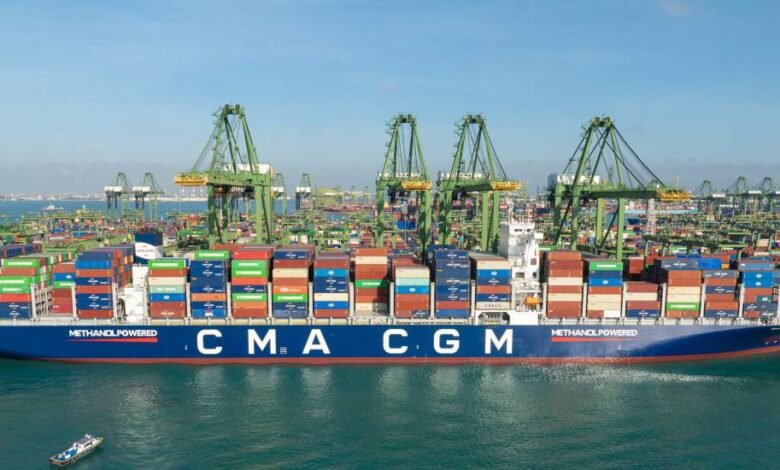
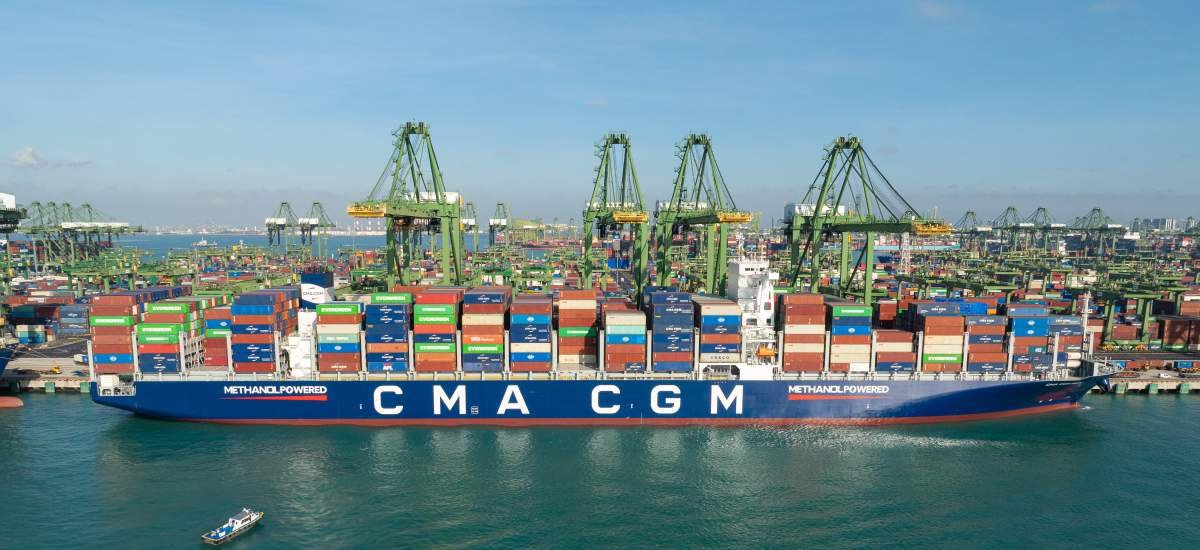
Maritime transport in the Mediterranean, crucial for international trade, is under new pressure following the announcement of the suspension of links between CMA CGM and Asia. This decision, made by one of the largest shipping companies in the world, could have significant repercussions on trade exchanges between the Maghreb and Asian markets. Due to increasing geopolitical tensions, particularly in the Persian Gulf, this suspension could lead to rising import costs and disrupt regional supply chains.
Increase in Rates and Impact on Maritime Trade
The CMA CGM company recently announced increases in FAK (Freight All Kinds) rates starting from March 15, 2026. The new rates are particularly high for links to Maghreb ports. For example:
- $3,300 for a 20-foot container destined for Western Mediterranean.
- $3,400 for Eastern Mediterranean and Adriatic.
- Up to $5,000 for a 20-foot container destined for Algeria.
- 40-foot containers reach rates of $7,300 for the same market.
These rate increases are a clear indication of how logistical costs are rising for Algerian importers. It is important to note that these rates include base freight but are also subject to additional port and security fees, which could further increase the bill for businesses.
Consequences for Imports in Algeria
For Algeria, this situation could mean an increase in import costs for various products, particularly those coming from Asia. The rise in rates could also lead to a significantly higher final cost for Algerian consumers. Local businesses must now consider adjusting their sourcing strategies to cope with this challenging situation.
Impact on Regional Supply Chains
The suspension of links between CMA CGM and Asia is likely to have a domino effect on regional supply chains across the Maghreb. Many companies rely on these maritime routes for timely delivery of goods. The disruption could lead to delays in shipments and affect inventory management for businesses across multiple sectors.
In addition, the increased freight rates may force businesses to pass on these costs to consumers, leading to inflationary pressures within the local economy. For more information on the economic implications, you can visit the World Bank overview of Algeria.
Adjustments in Trade Strategies
To navigate these challenges, companies in the Maghreb region may need to rethink their trade strategies. This could involve:
- Negotiating better terms with existing suppliers to mitigate costs.
- Exploring new shipping routes that may offer more competitive rates.
- Investing in local production to reduce reliance on imports.
Adaptation Strategies for Businesses
In the face of these logistical challenges, Algerian companies could explore several strategies to mitigate the impact of rising rates. Here are some avenues:
Seek Alternative Suppliers
Diversifying sourcing could reduce dependence on affected maritime routes. This strategy might involve looking for suppliers in nearby regions that are not impacted by the suspension.
Increase Stock Levels
Companies may also consider increasing their stock levels to buffer against potential delays. This approach can help maintain continuity in operations, especially for essential goods.
Invest in Technology
Utilizing technology, such as supply chain management software, can help businesses better plan their logistics and manage inventory effectively. This investment can lead to better decision-making during challenging times.
Looking Ahead: The Future of Maritime Trade in the Maghreb
The current situation poses significant challenges for maritime trade in the Maghreb. However, it also presents opportunities for businesses to innovate and adapt. As the global trade landscape continues to evolve, it is crucial for companies to remain agile.
For further details on maritime regulations and shipping practices, consider visiting the official Balearia website.
In conclusion, the suspension of CMA CGM’s links with Asia highlights the vulnerabilities in the global supply chain. By adopting proactive strategies, businesses in Algeria and the broader Maghreb region can navigate these turbulent waters and emerge stronger.