GNV Aurora: First Stop in Sète for the Eco-Friendly Ferry
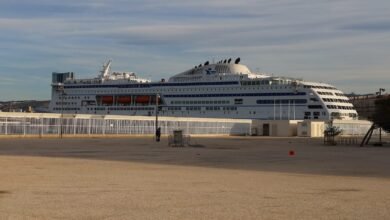
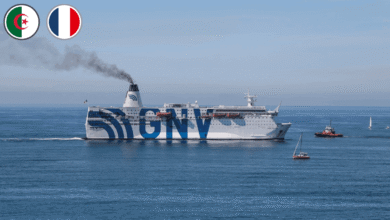
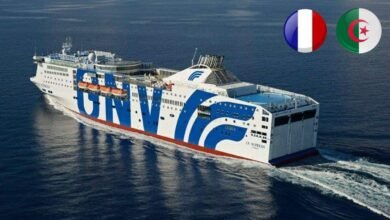
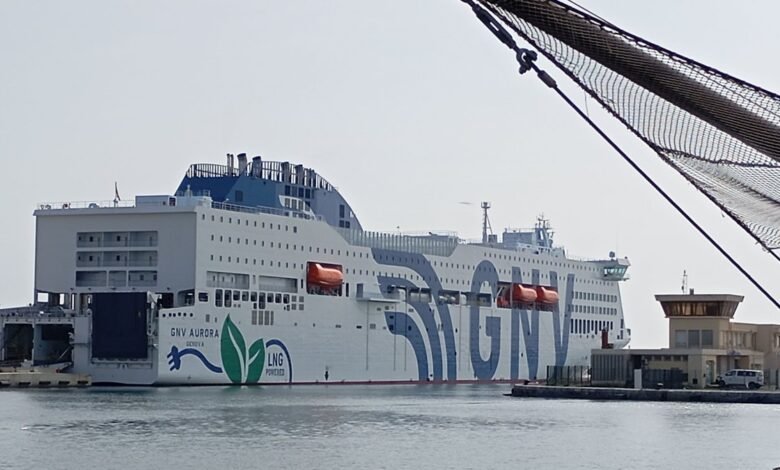
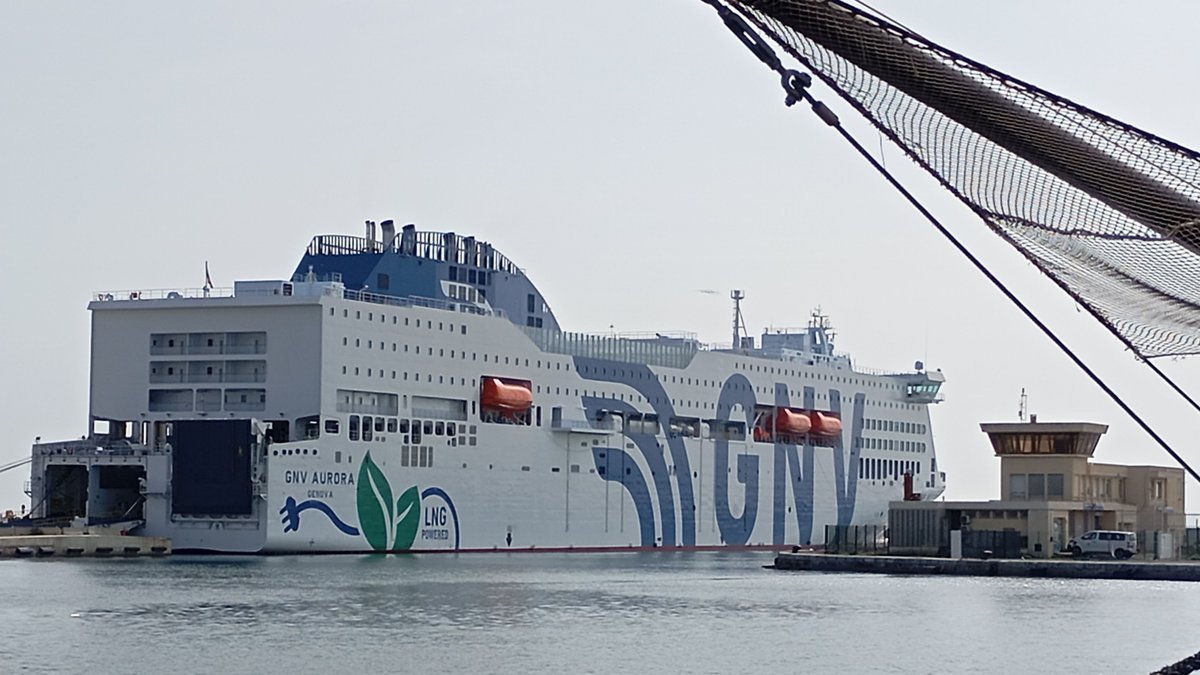
The GNV Aurora ferry, a next-generation vessel powered by liquefied natural gas (LNG), made its first stop at the port of Sète on March 4, 2026. With this arrival, the company GNV (Grandi Navi Veloci) marks a significant turning point in maritime transport in the Mediterranean, highlighting technologies aimed at reducing the carbon footprint of maritime crossings. This 237-meter ferry, which can accommodate up to 500 passengers in its modern cabins, is part of an eco-responsible approach and underscores GNV’s commitment to more sustainable practices.
An Innovative Ferry for the Mediterranean
The GNV Aurora is not only a symbol of modernity but also an example of the evolution of environmental standards in the maritime sector. Powered by LNG, this ferry is designed to reduce pollutant emissions by nearly 25% compared to those generated by traditional fuels. GNV’s CEO, Matteo Catani, explained that “LNG is an abundant and clean energy source, thus improving air quality and reducing environmental impacts.” This technology represents a major advancement in maritime transport, particularly for routes between Europe and the Maghreb.
Technical Features of the GNV Aurora
The GNV Aurora stands out for several notable technical features:
- Length: 237 meters
- Capacity: 500 cabins for passengers
- Shore power connection to reduce noise and emissions during docking
- Propulsion: LNG, offering a greener alternative to fossil fuels
By integrating these technologies, GNV strengthens its position in the maritime crossing market between France and the Maghreb, particularly towards Algeria and Morocco. Furthermore, the ferry is equipped with wastewater treatment systems and waste management, which helps limit its impact on the marine environment.
Environmental Impact and Future Prospects
The transition to ferries like the GNV Aurora has profound implications for the maritime environment. By reducing greenhouse gas emissions, GNV aligns with the sustainability goals set by the European Union. The maritime sector is one of the most polluting, accounting for about 2.5% of global CO2 emissions. The adoption of solutions like LNG is crucial to achieving acceptable pollution levels. According to the Ministry of Ecological Transition, maritime transport will need to transform to comply with increasingly strict pollution standards.
Comparison with Other Technologies
While LNG is currently considered an effective solution, it is essential to compare this technology with other emerging options:
- Hydrogen: Although still in the development phase, hydrogen could offer a zero-emission alternative. Hydrogen ferry projects are being experimented with in some regions of Europe, such as Norway.
- Solar Energy: Some companies are exploring the use of solar panels to power onboard systems, further reducing reliance on fossil fuels.
- Electricity: Shore power connection allows ships to operate without emissions during their stay in port. This practice is becoming increasingly common in European ports, where infrastructure is adapted.
The coming years will be crucial to observe how these technologies can coexist and contribute to more sustainable maritime transport. For example, ships using electric batteries for short distances are beginning to emerge, offering an alternative to traditional ferries on short routes.
Maritime Connections Between Sète and the Maghreb
The port of Sète is a key hub for maritime connections between France and the Maghreb. GNV offers several crossings to key destinations such as Algiers, Tunis, and Nador. With the introduction of the GNV Aurora, the company can meet the growing demand for passengers while adhering to high environmental standards. In 2025, GNV recorded a 30% increase in demand on these routes, partly due to increased traveler awareness of environmental issues.
Booking and Fares
For those wishing to travel aboard the GNV Aurora, it is recommended to book in advance, especially during peak periods such as summer holidays or year-end festivities. Fares vary depending on the season, duration of the crossing, and type of cabin selected. Passengers can expect prices ranging from 50 to 200 euros for a crossing, depending on the level of comfort chosen. Travelers can visit the official GNV website for up-to-date information on prices and availability, as well as to discover promotional offers that may reduce the cost of their journey.
Practical Tips for Travelers
To maximize your experience aboard the GNV Aurora, here are some practical tips:
- Plan your itinerary: Familiarize yourself with the destinations and crossing schedules to avoid surprises.
- Bring appropriate clothing: Temperatures can vary significantly at sea, so prepare suitable clothing.
- Enjoy the facilities: Explore the restaurants, bars, and other amenities onboard to make your journey more enjoyable.
- Respect the environment: As a passenger on an eco-friendly ferry, adopt respectful behaviors, such as sorting your waste.
Conclusion and Call to Action
The GNV Aurora represents a significant advancement in the maritime transport sector, combining comfort and environmental respect. With its cutting-edge technology, it is well-positioned to meet the future challenges of transport in the Mediterranean. To learn more about maritime crossings between France and the Maghreb, or to make a reservation, feel free to visit the GNV website and explore the travel options available to you. By choosing to travel on the GNV Aurora, you will not only benefit from a modern and comfortable travel experience but also contribute to a more sustainable maritime future.