Japan and Morocco: Strategic Partnership for Fishing
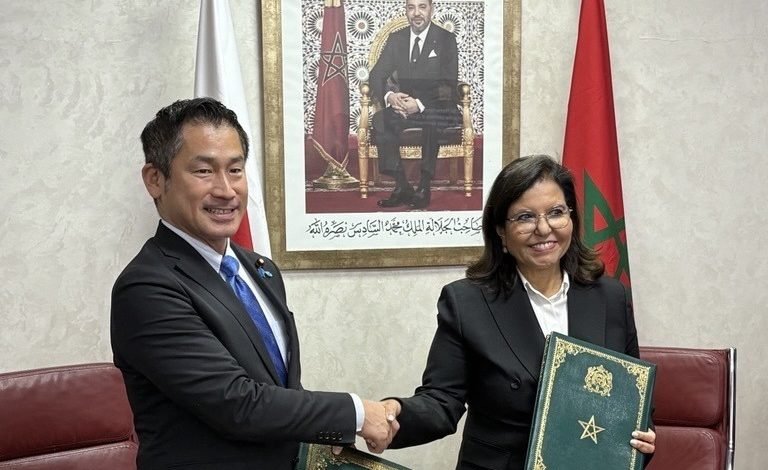
The partnership between Morocco and Japan reached a significant new milestone on December 23 in Rabat, with the signing of a Note Exchange. This agreement seals an additional donation from the Japanese government of approximately 30.4 million dirhams for the development project of the next-generation fishing port in Souiria K’dima. This financial commitment strengthens a fundamental project for local economic development and the growth of the Moroccan fishing sector. This investment illustrates not only the strength of bilateral relations between these two nations but also their shared commitment to a sustainable and innovative vision in the fishing sector.
History of the Souiria K’dima Port
The Souiria K’dima port, built in 1998 with Japanese assistance, was designed to develop the infrastructure for local fishermen. Over the years, the port has undergone significant transformations, with an increase in fish landings and the number of fishing boats. These changes have highlighted the urgent need to modernize the infrastructure and improve working conditions for fishermen.
Importance of the Fishing Sector in Morocco
Morocco has one of the most important fishing areas in Africa, with a diverse fishery wealth. In 2022, the fishing sector represented approximately 2.6% of the Moroccan GDP and employed about 150,000 people. The Halieutis Plan, launched in 2009, aims to modernize the sector and ensure sustainable exploitation of marine resources. Japanese support fits perfectly into this vision of sustainable development. For more information on the Halieutis Plan, visit the site of the National Agency for Maritime Fisheries.
Details of the Financial Commitment
The additional donation of 30.4 million dirhams, which adds to an initial funding of 2.003 billion yen (approximately 133 million dirhams), aims to complete the modernization project of the port. This total funding, amounting to approximately 157 million dirhams, will improve the reception capacity of vessels, the quality of seafood processing, and introduce multifunctional features, including tourism, at the Souiria K’dima port.
Economic Stakes
The modernization of the port transforms Souiria K’dima into a key economic hub for the region, enhancing the health security of seafood products and stimulating the development of tourism activities. This is also expected to contribute to Morocco’s competitiveness in the international fishing market. Moroccan-Japanese cooperation illustrates an integrated approach to development, which could serve as a model for other regional projects.
Implications of Moroccan-Japanese Cooperation
The cooperation between Morocco and Japan is not limited to this project but is part of a broader strategic partnership. In May 2024, a memorandum of cooperation was signed, establishing a roadmap for multidimensional collaboration. The two countries will celebrate in 2026 the 70th anniversary of their diplomatic relations, which have evolved from occasional technical assistance to a structured partnership.
Contributions to Economic Diplomacy
Japan views Morocco as a key player in its African strategy, particularly within the framework of the Tokyo International Conference on African Development (TICAD). This perception reinforces the importance of projects like that of Souiria K’dima, which aim to promote stability and economic development in the region. For additional information on Japan-Africa cooperation, visit the TICAD website.
Perspectives for the Maghreb Maritime Sector
The modernization project of the Souiria K’dima port could also serve as a catalyst for other maritime initiatives in the Maghreb region. Neighboring countries, such as Tunisia and Algeria, could draw inspiration from this cooperation to strengthen their fishing and maritime transport infrastructures. By integrating sustainable practices and modern technologies, the Maghreb could become a competitive maritime hub on the international stage.
Training and Knowledge Transfer
Another important aspect of this cooperation is the transfer of know-how. Training local stakeholders is crucial to ensure effective and sustainable management of marine resources. This South-South cooperation model, enriched by Japanese expertise, can be applied to other areas, such as water management and agriculture, thereby strengthening Morocco’s position as a leader on the African continent.
Conclusion
Japan’s commitment to the next-generation fishing project in Souiria K’dima illustrates a dynamic and forward-looking bilateral relationship. This project is not just a simple financial investment but represents a model of sustainable development that could transform the local economic landscape while strengthening regional cooperation. Through this initiative, Morocco and Japan reaffirm their commitment to a shared vision, where innovation and sustainability are at the heart of development strategies. By consolidating emblematic projects like this one, they also strengthen their position on the international stage as reliable actors and strategic partners. For additional information on maritime news, visit Maritime Promotion and Menara.