
Mediterranean under tension: between new routes, military escorts and energy diplomacy
“`html
Mediterranean Under Tension: New Routes, Military Escorts, and Energy Diplomacy
Introduction
The Mediterranean Sea, a strategic crossroads between Europe and the Maghreb, is witnessing transformative changes as new dynamics emerge, reshaping its exchanges and alliances. This article delves into three primary axes: the expansion of air links, enhanced maritime surveillance, and diplomatic efforts to revive the Maghreb-Europe gas pipeline. These developments not only aim to strengthen ties between the northern and southern shores of the Mediterranean but also highlight the intricate balance of security and economic interests at play in the region.
Expansion of Air Links
In a significant move to boost connectivity and economic exchanges, Royal Air Maroc recently announced plans to open ten new routes to Europe by 2026, particularly targeting Spain and Italy. This initiative is crucial for enhancing tourism, which is a vital sector for many Maghreb countries. The airline’s spokesperson emphasized that this redesigned network will facilitate connectivity between major cities in the Maghreb, such as Casablanca, Marrakech, and Tunis, and key European hubs like Madrid, Barcelona, and Milan.
Beyond the commercial aspect, this air expansion addresses a strategic necessity for Maghreb countries, allowing them to compete more effectively against major Gulf carriers like Emirates and Qatar Airways. As a result, the new air routes reflect a comprehensive vision for an integrated Mediterranean space, supported by institutional actors across the region.
Experts have begun discussing the potential creation of a “sustainable Mediterranean air bridge,” which could enhance regional collaboration and economic benefits starting as early as 2027. Such initiatives are expected to not only promote tourism but also stimulate trade and cultural exchange, reinforcing the Mediterranean’s role as a vibrant hub of activity.
Increased Maritime Surveillance
While the skies above the Mediterranean are opening up, the waters are increasingly becoming a zone of tension. The deployment of the Global Sumud Flotilla, a humanitarian mission aimed at supporting Gaza, has exacerbated regional tensions. In response, Italy and Spain have made the significant decision to deploy military vessels to escort their nationals, emphasizing a climate of growing security concerns in the Mediterranean.
The Italian and Spanish authorities justify this naval presence as a precautionary measure against potential threats and incidents at sea. A European diplomat remarked, “The Mediterranean is becoming a terrain for political projection, but also for symbolic confrontation,” highlighting the complexities of security issues in the region. This increased military presence not only serves to protect national interests but also reflects the broader geopolitical dynamics influencing maritime security.
The Role of Ports and Shipping Companies
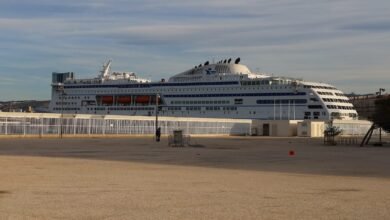
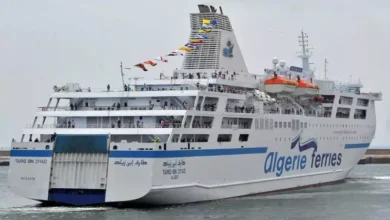
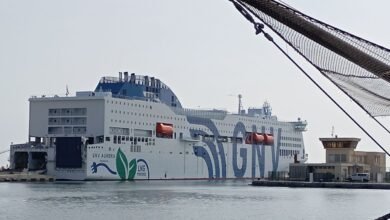
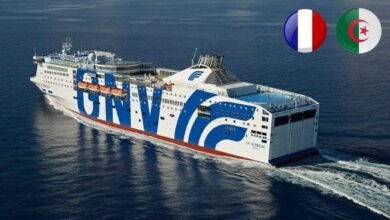
Key ports in the Maghreb, such as Tanger Med in Morocco, and Alger Port in Algeria, play essential roles in facilitating maritime trade and logistics. The expansion of these ports, alongside the operations of shipping companies like GNV and Algérie Ferries, is crucial for improving regional connectivity and economic resilience.
Additionally, the cruise industry has been significantly impacted by these tensions, with many operators reconsidering their itineraries in the Mediterranean. The delicate balance between promoting tourism and ensuring security remains a core challenge for stakeholders in this sector.
Revival of the Maghreb-Europe Gas Pipeline
Amid these developments, Madrid is making concerted efforts to restore another vital link: the Maghreb-Europe gas pipeline, which once connected Algeria to Spain via Morocco. This crucial conduit has been closed since the diplomatic rupture between Rabat and Algiers, leaving Spain in a precarious position regarding energy security.
Recently, the Spanish government discreetly sought American mediation to revive negotiations surrounding this key pipeline. The United States, recognizing the importance of stabilizing its Mediterranean partners in an increasingly uncertain energy landscape, is showing heightened interest in this issue. The restoration of this pipeline is not merely about energy supply; it symbolizes a potential thaw in diplomatic relations between Morocco and Algeria.
For Spain, the implications of restoring this pipeline extend beyond energy security. It conveys a strong political message regarding the necessity of re-establishing dialogue in the Maghreb through energy infrastructures. An advisor to the Spanish Ministry of Ecological Transition noted, “The pipeline does not only transport energy, but also trust between nations.”
Energy Diplomacy in the Mediterranean
The dynamics of energy diplomacy in the Mediterranean are complex, influenced by factors such as European energy demands, geopolitical tensions, and climate change. The recent energy crisis in Europe has further highlighted the importance of reliable energy sources from the Maghreb, prompting European nations to seek closer ties with Algeria and Morocco. This shift could lead to renewed investment in infrastructure and energy projects, ultimately benefiting both sides.
A Region in Precarious Balance
This bundle of initiatives—air, maritime, and diplomatic—reflects a significant reconfiguration of Mediterranean balances. While there are concerted efforts to connect peoples and economies, the need to protect borders and maintain security remains ever-present. The new air links bring promise and opportunity, while military escorts serve as a stark reminder of the fragility of dialogues between the shores. The pipeline, for its part, embodies the complexities of energy and political dependencies in the region.
In a context marked by tensions arising from the war in Gaza, migration issues, and climate change, the Mediterranean is redefining itself as a space of intertwined rivalries and solidarities. The ongoing conflict and the humanitarian crises it generates have only intensified the need for cooperative regional solutions. As such, the Mediterranean could emerge as a platform for both collaboration and confrontation in the years to come.
Conclusion
Ultimately, the future of the Mediterranean hinges on the delicate balance between fostering connectivity and addressing security concerns. In this dynamic landscape, airlines are redrawing the map of the Mediterranean sky, while maritime and energy issues continue to play a crucial role in shaping relations between the Maghreb and Europe. How stakeholders navigate these challenges will be pivotal in determining whether the Mediterranean can transform its historical legacies of division into new opportunities for unity and progress.
“`