The Moroccan navy, a strategic actor in maritime security
Introduction
Long underestimated in defense strategies in Africa, the maritime dimension is now recognized as essential for the sovereignty and economic security of nations. With its coasts extending along the Atlantic Ocean and the Mediterranean Sea, Morocco positions itself as a key player in the African maritime field. According to the 2025 ranking of Global Firepower, the Moroccan navy ranks third in Africa and 31st in the world, highlighting the strategic importance of its naval capabilities in the face of growing security challenges.
The rise of national navies in Africa
The importance of the maritime dimension
For many African countries, the sea represents more than just a border; it is a vital axis for trade, security, and the protection of resources. With 30,000 kilometers of coastline, Africa is traversed by essential trade routes connecting Europe, Asia, and America. Thus, mastery of maritime spaces becomes a fundamental indicator of a state’s power. The report from Global Firepower emphasizes that “African maritime spaces are both natural borders and lifelines of civilizations,” requiring robust naval fleets to ensure security and sovereignty.
Ranking of African navies
The 2025 ranking reveals that Egypt dominates the African maritime scene with 150 units, followed by Nigeria with 133 units. Morocco, with 111 units, ranks third, just ahead of Algeria which has 110 units. Tunisia, with 58 units, occupies fifth place. This hierarchy illustrates not only the naval capabilities of these countries but also their commitment to securing their maritime interests.
The maritime challenges in Africa
Africa faces numerous maritime challenges, such as piracy, drug trafficking, illegal fishing, and the degradation of marine ecosystems. These threats make the presence of national navies capable of monitoring and protecting exclusive economic zones essential. The report from Global Firepower states that a credible navy is “one of the most visible markers of a state’s sovereignty,” a statement particularly relevant in such a complex environment.
The Moroccan navy: a strategic actor
Capabilities and equipment
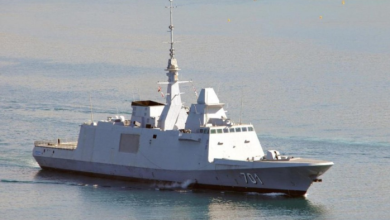
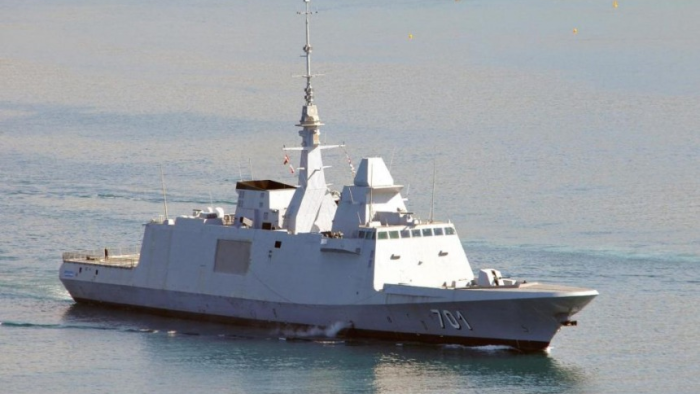
Morocco has significantly invested in the development of its navy, due to its strategic geographical position. Its fleet consists of various types of units, ranging from coastal patrol vessels to submarines. These investments reflect the desire to ensure maritime security while enhancing force projection capabilities. Recent acquisition programs, such as the purchase of modern frigates and patrol vessels, testify to a strategy focused on modernization and operational efficiency.
The Moroccan maritime front
Morocco has a maritime front of nearly 3,500 kilometers, extending along the Atlantic and the Mediterranean. These waters not only harbor fishery resources but also crucial offshore infrastructures for the national economy. The ability to monitor and protect these resources is essential for maintaining the country’s economic and security stability. The report from Global Fire Power emphasizes that “the ability to monitor exclusive economic zones and enforce maritime law is a central issue for coastal states.”
The economic stakes associated with maritime security
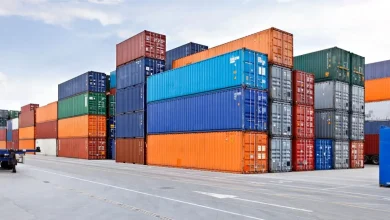
Maritime trade represents over 90% of Morocco’s external exchanges. Hydrocarbons, minerals, and agricultural products are transported by sea, making the security of maritime routes paramount. Moroccan ports, such as the port of Casablanca, one of the largest in Africa, play a vital role in the import and export of goods. Maritime security is not limited to the protection of ships but also encompasses the protection of port infrastructures and supply chains. The Moroccan navy, through its presence and efficiency, ensures the continuity of economic activities and provides means of intervention during disasters.
The geopolitical implications of maritime power
The role of Morocco in regional security
As a maritime power, Morocco plays a crucial role in regional security, particularly in the fight against terrorism and transnational crime. The Moroccan navy collaborates with other countries in the region and international organizations to combat piracy and drug trafficking. Joint exercises, such as those conducted with the American navy as part of Operation African Lion, enhance the operational capabilities of the Moroccan naval forces.
Maritime cooperation in the Mediterranean
Morocco is also involved in maritime cooperation initiatives in the Mediterranean, seeking to establish partnerships with other coastal nations to improve collective maritime security. This includes dialogues on the governance of maritime resources and efforts to counter illegal fishing, which poses a threat to marine ecosystems and the local economy.
Future perspectives
Sustainable development and resource protection
With the rise of environmental concerns, the Moroccan navy will also need to focus on sustainable development and the protection of maritime resources. Research and monitoring initiatives for marine ecosystems, as well as efforts to develop sustainable fishing practices, will be essential to ensure responsible use of maritime resources in the long term.
Technological innovation in the navy
Technological innovation plays an increasing role in the development of maritime capabilities. The integration of new technologies, such as maritime drones and advanced surveillance systems, will allow the Moroccan navy to enhance its intervention and monitoring capabilities. By investing in these technologies, Morocco will be able to better protect its maritime interests and adapt to future challenges.
Conclusion
The Moroccan navy, in light of its ranking in 2025, positions itself as a central actor in the African maritime landscape. With 111 units, it reflects the country’s commitment to maritime security and the protection of its economic interests. In a context where maritime threats are increasingly diversified, mastery of maritime spaces asserts itself as a strategic issue. The modernization of the fleet, commitment to regional cooperation initiatives, and integration of technological innovation are all levers that will allow Morocco to maintain and strengthen its position as a maritime power on the African continent.