The Moroccan Navy: Key to Maritime Security in Africa
Introduction
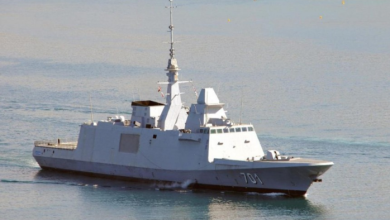
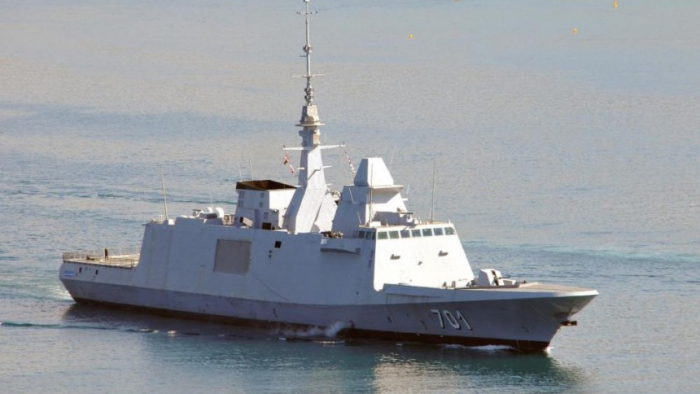
Africa, with its extensive coastlines and strategic maritime routes, plays a crucial role in international trade and maritime security. Once underestimated, the maritime dimension is now recognized as an essential foundation of state sovereignty. In this context, Morocco stands out clearly. According to the 2025 ranking from Global Firepower, the Moroccan navy positions itself third in Africa and 31st globally, highlighting the importance of its Atlantic and Mediterranean façades for the security and economic balance of the region. This evolution reflects a growing awareness of maritime issues, ranging from resource protection to threats such as piracy and trafficking.
The Maritime Dimension and State Sovereignty
The Sea as a Vital Frontier
For many African countries, the sea represents much more than a simple geographical boundary; it is an essential economic artery. The report from Global Firepower states that “African maritime spaces serve both as natural borders and lifelines of civilizations, which imposes robust naval choices.” This expanded view of the sea as a space of sovereignty requires substantial investments in naval capabilities. States must be able to monitor their exclusive economic zones, enforce maritime law, and protect their offshore infrastructures.
The Importance of the Navy in a Complex Security Environment
Africa faces various maritime threats, ranging from piracy to drug and arms trafficking. The United Nations Office on Drugs and Crime has highlighted that African coasts are often used as transit points for illegal activities. In this context, having an effective naval fleet is essential to ensure the security of maritime routes, maintain the continuity of economic activities, and respond to natural disasters.
Ranking and Naval Capabilities of Morocco
An Emerging Naval Power
By the end of 2025, Morocco is expected to have 111 naval units, placing it behind Egypt (150 units, 22nd globally) and Nigeria (133 units, 23rd globally). Algeria closely follows with 110 units (32nd globally), while Tunisia ranks fifth in Africa with 58 units, occupying the 52nd global rank. This ranking highlights Morocco’s efforts to strengthen its maritime capabilities, both for defense reasons and for economic development.
The Challenges and Opportunities of the Moroccan Navy
Modernization and Investments
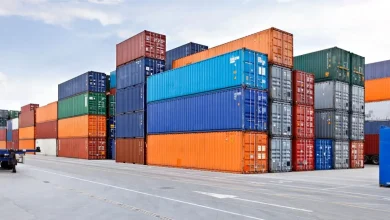
Morocco has invested in modernizing its fleet to meet the growing demands of maritime security. The development of new ships and the upgrading of port infrastructures, such as the port of Tanger Med, one of the largest ports in Africa, are key elements of this strategy. Morocco has also established partnerships with countries such as Spain and France to enhance its maritime surveillance capabilities.
Regional and International Collaboration
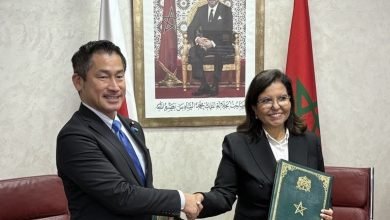
Morocco is also engaged in regional and international cooperation initiatives. The country participates in joint naval exercises and maritime security forums, such as the West Africa Maritime Security Initiative (MSA). These collaborations not only strengthen the operational capabilities of the Moroccan navy but also promote a collective approach to addressing common maritime challenges.
The Role of Naval Fleets in the Maritime Economy
Maritime Trade in Africa
More than 90% of Africa’s foreign trade is conducted via maritime routes. Hydrocarbons, minerals, and agricultural products depend on secure maritime routes. The stability of trade exchanges is directly linked to a navy’s ability to protect these routes. The World Bank emphasizes that maritime security is crucial for economic development, especially in a region where natural resources are abundant but often poorly protected.
Maritime Infrastructure and Economic Future
Ports, offshore platforms, and underwater cables are vital infrastructures requiring constant protection. The Moroccan navy plays a key role in securing these infrastructures, thus ensuring the continuity of economic activities. For example, the port of Tanger Med has become a major logistics hub for trade between Europe and Africa, thereby strengthening Morocco’s strategic position on the global maritime map.
Illegal Fishing and Resource Protection
Issues of Illegal Fishing
Illegal fishing poses a major threat to Morocco’s maritime resources, jeopardizing the local economy and marine biodiversity. The country has intensified its efforts to combat this practice by strengthening its maritime surveillance capabilities. The Moroccan fleet is now equipped to detect and intercept illegal fishing vessels, thereby consolidating the sustainable management of fishery resources.
Initiatives for Sustainability
Morocco is also engaged in marine sustainability initiatives, including programs for the conservation of marine ecosystems and fishery resources. By collaborating with international organizations, the country seeks to establish sustainable fishing practices that will benefit both local communities and the environment.
Conclusion
The Moroccan navy positions itself as a key player in the African maritime landscape, ranking third in terms of naval capabilities on the continent. As we approach 2025, Morocco is well-placed to play a central role in maritime security, resource protection, and economic development. In the face of growing challenges such as piracy, trafficking, and illegal fishing, the country must continue to invest in its fleet and infrastructures while strengthening regional and international cooperation. The future of the Moroccan navy is not only a defense issue but also a vector of economic prosperity for the region. To learn more about maritime initiatives in Morocco, visit the site of Tanger Med Port Authority and International Chamber of Commerce.