New Maritime Crossing Sète-Algiers: GNV Strengthens the Connection
The recent announcement of the arrival of the Italian shipping company GNV (Grandi Navi Veloci) on the route connecting France to Algeria, specifically from the port of Sète to the port of Algiers, marks a significant turning point in the landscape of maritime crossings in the Mediterranean. This new link, which adds to the existing ones, raises debates about competition and business practices in the maritime sector. For passengers, this also means more options and flexibility when planning their journey between France and Algeria.
Context and Confirmation of GNV’s Arrival
The GNV company, a subsidiary of the MSC group (Mediterranean Shipping Company), has recently confirmed its intention to operate crossings between the port of Sète and the port of Algiers. This decision has been validated by the port authorities, and the company plans to begin its operations in the coming weeks. The importance of this announcement is set against a historical backdrop where exchanges between France and Algeria have always been of great significance, both economically and culturally. Indeed, millions of people of Algerian origin reside in France, creating a constant demand for maritime links between the two countries. However, this arrival has sparked mixed reactions, particularly from companies already operating on this route.
Reactions from Existing Shipping Companies
The maritime companies Corsica Linea and La Méridionale, which already operate routes to Algeria, have expressed their concerns regarding this new competition. They denounce what they call “unfair competition.” Union representatives, particularly those from the CGT, highlight practices they deem inequitable, such as the use of private recruitment agencies that hire at wages below the standards. This situation raises questions about the sustainability of jobs in the sector and the impact of competition on the working conditions of seafarers. In the past, similar cases of social dumping have been observed in other sectors, causing tension between companies and unions.
The Rhapsody Ship on the New Sète-Algiers Route
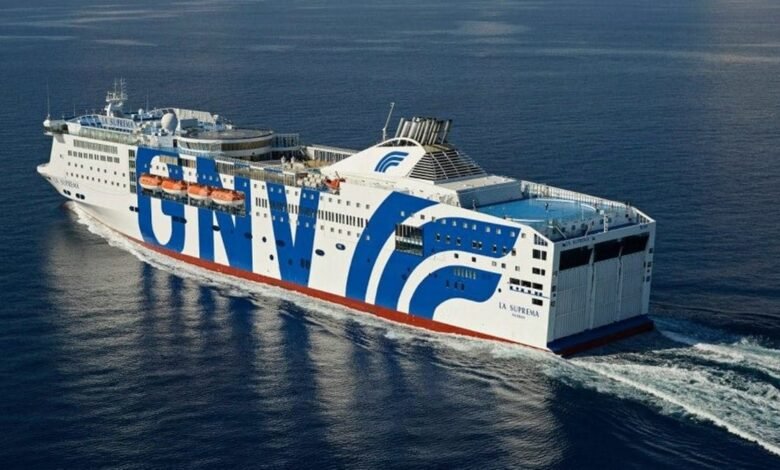
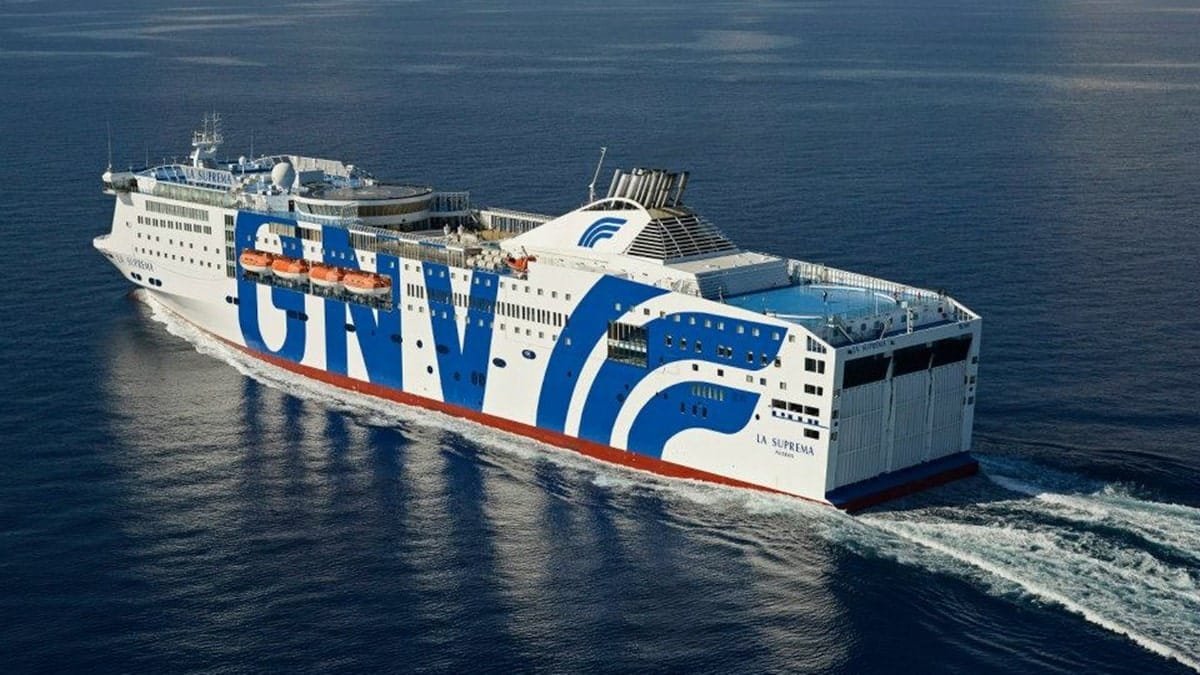
To ensure these new crossings, GNV plans to deploy the Rhapsody ship, formerly known as Napoléon Bonaparte, which has been a symbol of the links between Corsica and the mainland. This ship, renovated and modernized, is capable of accommodating a large number of passengers and vehicles, thus providing a comfortable and efficient travel experience. GNV has significantly invested in modernizing the Rhapsody to meet contemporary comfort and safety standards. This deployment is an integral part of GNV’s strategy to strengthen its presence in the Mediterranean and respond to a growing demand for reliable and quality crossings.
Technical Features of the Rhapsody
- Capacity to accommodate 2,700 passengers
- 319 comfortable cabins, suitable for families and individual travelers
- Modern facilities for vehicle transport, including dedicated spaces for passenger vehicles and trucks
- Restaurants and relaxation areas on board, offering a variety of culinary choices inspired by Mediterranean cuisine
- High-speed Internet access and onboard entertainment services
Implications for Passengers and the Maritime Market
The introduction of GNV on this maritime route could have significant implications for passengers. With the addition of a new company, travelers will have more choices in terms of pricing, comfort, and services. Passengers can expect to benefit from increased competition, which could lead to pressure on fares, making maritime crossings more accessible to a broader audience. For example, studies show that the entry of new companies on maritime routes can reduce fares by 10 to 20%, which represents considerable savings for families traveling between France and Algeria.
Reservations and Fares
Passengers wishing to book their crossing can expect a variety of offers. GNV often provides promotions and competitive fares, attracting a diverse audience. It is advisable to check their official website for the most recent information on schedules, fares, and booking procedures. Additionally, it is recommended to book in advance, especially during holiday periods, to ensure a place and benefit from the best offers. Passengers may also consider signing up for price alerts, which will inform them of fare reductions.
Visit GNV’s website for more details.
The Debates Surrounding Maritime Competition
The issue of competition in the maritime sector is complex. Unions and existing companies express concerns about the practices of certain companies, which may lead to social dumping. The concerns focus on the working conditions of seafarers and the need for a stricter regulatory framework to ensure fair competition. A report from the International Maritime Organization (IMO) highlights the importance of decent work standards to prevent the exploitation of workers in the maritime sector, particularly for companies operating internationally.
Regulations and Safety Standards
Maritime authorities, both in France and Algeria, must ensure that all companies comply with safety and labor standards. This includes not only the safety of passengers on board but also the protection of the rights of maritime workers. Robust regulation is essential to avoid dumping situations that could harm the entire sector. Passengers are also encouraged to inquire about the safety policies of companies before booking their crossing. Ultimately, well-thought-out regulation can contribute to a safer and fairer maritime environment.
Check the French government’s website for more information on maritime regulations.
Conclusion and Future Perspectives
With the arrival of GNV on the Sète-Algiers route, the landscape of maritime crossings between France and Algeria is undergoing significant changes. This development brings opportunities for passengers while raising questions about competition and business practices. As the market evolves, it will be crucial for authorities and companies to ensure a balance between access to maritime transport and adherence to ethical and safety standards. Passengers can expect an enhancement of maritime offerings and improved services while remaining vigilant about the implications of this new competition. Ultimately, this dynamic could also foster future collaborations between shipping companies, further enhancing the travel experience in the Mediterranean.
For more information about the Port of Sète, visit their official website.