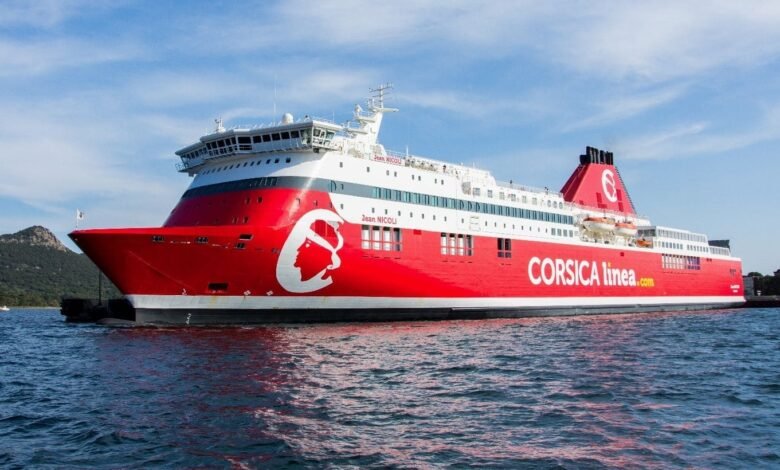
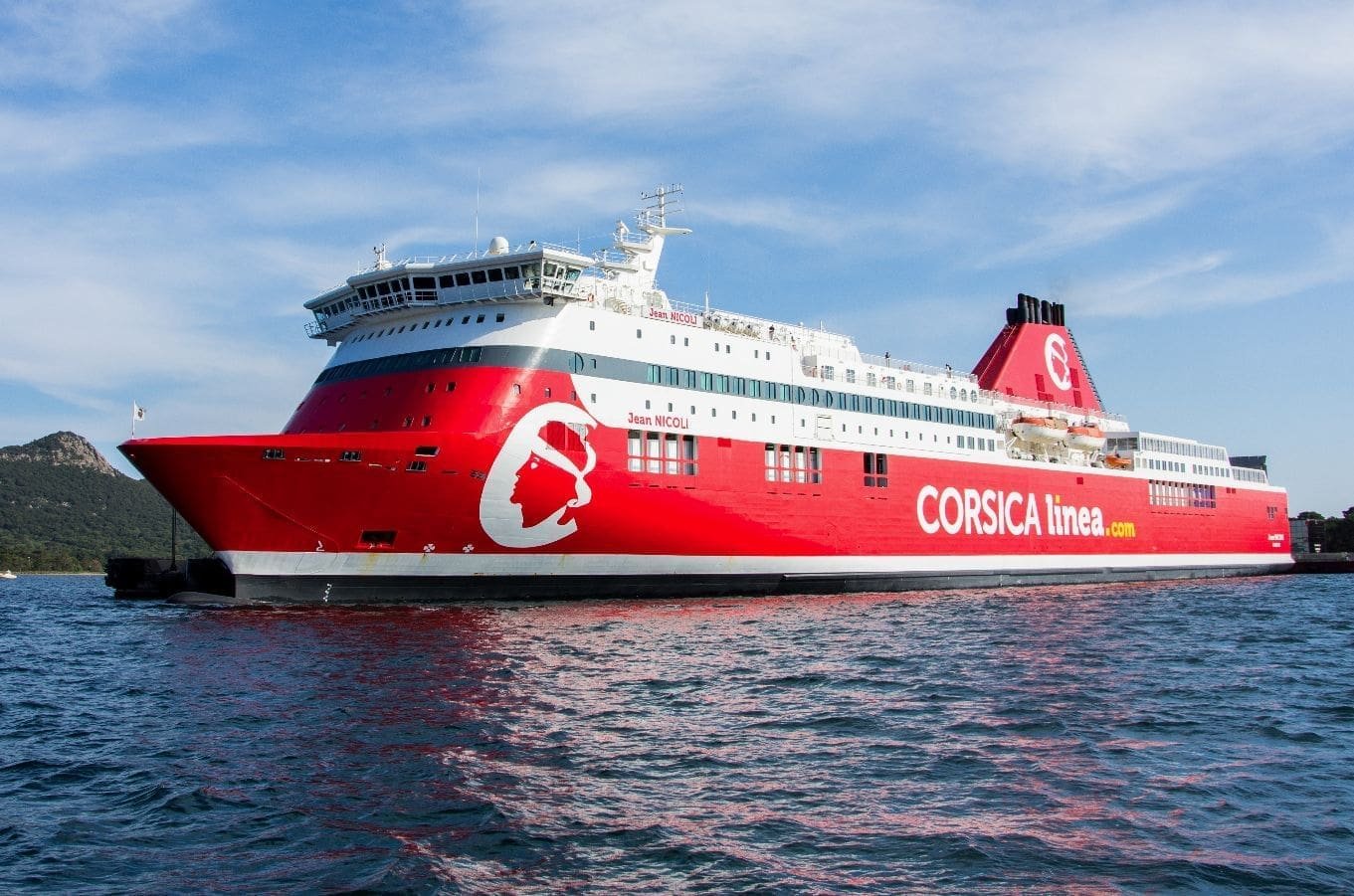
The Jean Nicoli Ferry from Corsica Linea Resumes Its Maritime Crossings
After a period of immobilization that lasted several days, the ferry Jean Nicoli from Corsica Linea has finally departed from the port of Algiers, bringing an end to significant disruptions in its crossing schedule. Arriving in Algiers on November 12, 2025, the vessel underwent a rigorous inspection by Algerian maritime authorities, a standard procedure to ensure compliance with maritime safety standards. This inspection is part of a broader regulatory framework established to guarantee passenger safety and protect the marine environment, a crucial issue in a busy region like the Mediterranean.
Inspection and Immobilization of the Jean Nicoli in Algiers
On November 12, 2025, the Jean Nicoli docked at the port of Algiers, where a team from Bureau Veritas was dispatched to conduct a thorough inspection. This check was carried out in collaboration with local port services, reflecting the importance of maritime safety in the Mediterranean region. Maritime inspections are essential as they help detect potential technical problems or non-compliance with safety standards that could endanger passengers or crew. The ferry was held for four days, disrupting several connections for the company, including the Sète-Béjaïa crossing scheduled for November 13 and the Béjaïa to Marseille crossing on November 14. These interruptions are not just inconveniences for passengers but can also lead to significant financial losses for the company.
The Impact on Passengers and Maritime Connections
In light of this situation, Corsica Linea had to reorganize its operations to minimize the impact on passengers. For example, the Marseille-Tunis voyage originally scheduled for November 15 was postponed to the following day, with the ferry Vizzavona taking over this route. This swift reorganization demonstrates the company’s responsiveness to unforeseen circumstances related to maritime inspections. For passengers who had booked their crossings, this required effective communication. Corsica Linea established clear communication channels to inform customers of the changes, which is essential in the maritime transport sector where travelers can be caught off guard by delays.
The Resumption of Maritime Crossings by the Jean Nicoli
On November 16, the Jean Nicoli finally received clearance to leave the port of Algiers, resuming its route to Marseille. This resumption marks a return to normalcy for the company, which plans a crossing from Algiers to Marseille on November 19 at 9 AM. This situation underscores the importance of managing maritime traffic in the context of connections between Algeria and France, and the challenges it poses for shipping companies. Indeed, maritime traffic between these two countries is crucial, not only for passengers but also for the transport of goods. In 2022, for instance, over 1.5 million passengers traveled on maritime routes between France and Algeria, highlighting the significance of these connections for cultural and economic exchanges.
The Future Prospects for Corsica Linea
After arriving in Marseille on November 17, several rotations are scheduled for the month, including a departure from Algiers planned for November 25, followed by a return to Sète on November 26. These connections are vital for both passengers and freight, and the company must continuously adapt to maritime safety requirements. The services of the Interregional Directorate of the Mediterranean Sea reinforce these requirements, as recently illustrated by the retention of the ferry Tassili II from Algeria Ferries. The need for strict compliance with standards is not limited to one-time inspections but involves constant vigilance on the part of shipping companies to avoid sanctions or service interruptions.
The Stakes of Maritime Controls in the Mediterranean
The situation of the Jean Nicoli highlights the issues related to maritime controls in the Mediterranean region. These inspections aim to ensure passenger safety and prevent maritime incidents, such as accidents or pollution. Shipping companies must not only comply with national standards but also those of the various port authorities they interact with. For example, in 2021, the Mediterranean recorded nearly 300 maritime incidents, underscoring the necessity of maintaining high safety standards. These controls are therefore essential to guarantee a safe and clean maritime environment.
The Challenges Faced by Shipping Companies
Service interruptions due to inspections can have significant economic repercussions for companies. Financial losses due to delays can amount to millions of euros per year, highlighting the importance of maintaining a reliable schedule of crossings. Companies like Corsica Linea must therefore navigate between compliance with regulations and customer satisfaction. This involves continuous investments in crew training and ship maintenance to meet safety standards. These challenges are exacerbated by a constantly evolving maritime environment, where safety requirements are becoming increasingly stringent, particularly following environmental crises or maritime disasters.
Practical Tips for Passengers
For passengers planning to travel on maritime routes, it is advisable to:
- Regularly check the status of their crossing and updates on the company’s website.
- Plan alternatives in case of last-minute changes.
- Arrive at the port with sufficient time to avoid stress related to unforeseen events.
- Consult the refund and reservation modification policies if necessary.
Conclusion: Towards Better Management of Maritime Crossings
In conclusion, the resumption of activities of the Jean Nicoli following its period of immobilization in Algiers demonstrates the resilience and adaptability of shipping companies in the face of regulatory uncertainties. For passengers, this means that maritime connections between the Maghreb and France remain a vital element of regional connectivity. It is therefore crucial to follow the evolution of maritime crossings to optimize travel plans. In case of unforeseen events, it is always good to keep in mind that safety should take precedence over speed. For more information on crossings and reservations, feel free to visit Corsica Linea.