
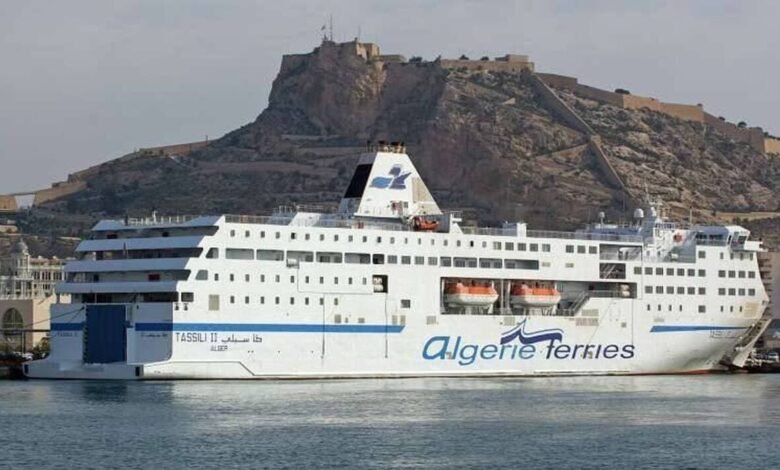
The Tassili II Ferry Resumes Service: Maritime Crossing Details
The resumption of the Tassili II ferry service by Algeria Ferries marks an important turning point in the field of maritime crossings between Algeria and France. After a nearly month-long retention period, the vessel departed from Marseille on November 12 and arrived in Algiers the following day. This return to service comes at a time when maritime links are crucial for exchanges between the two shores of the Mediterranean, particularly for passengers and goods. In this article, we will provide a detailed overview of the current situation of ferries in the Mediterranean, the implications of this retention, as well as the upcoming crossings to anticipate.
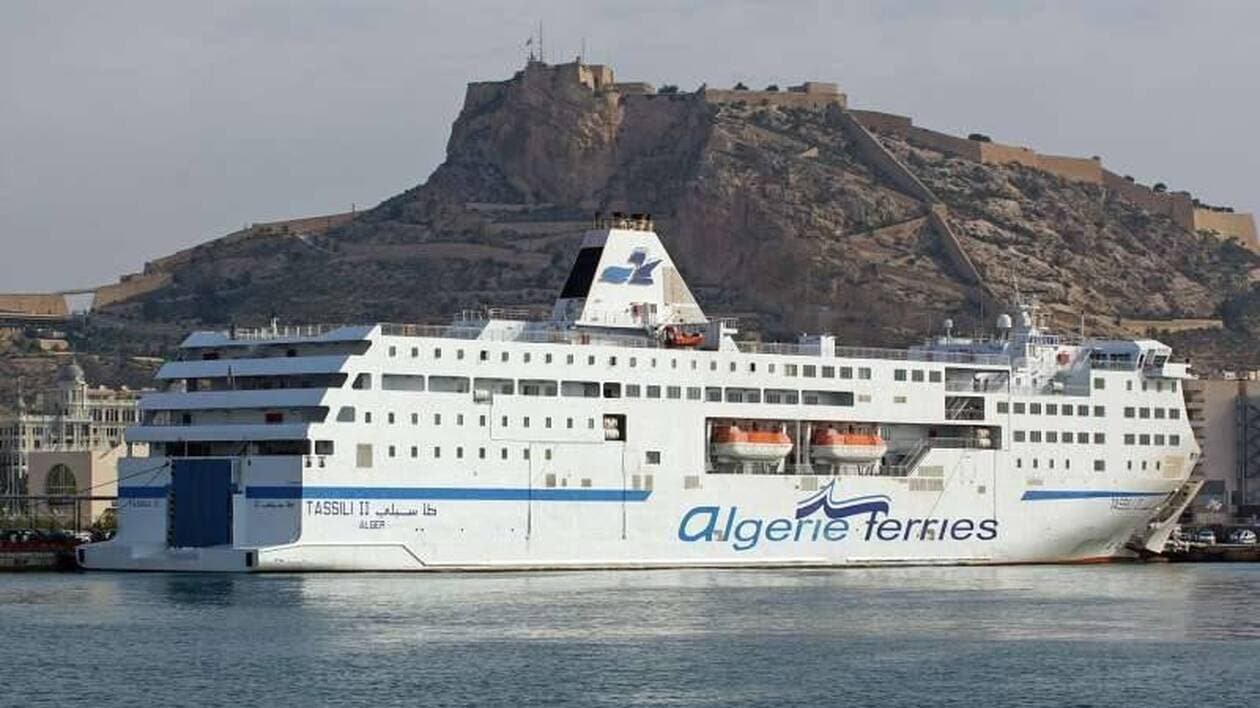
The Tassili II Ferry: An Anticipated Return
The Tassili II is one of five vessels in the ENTMV-Algeria Ferries fleet, a public Algerian shipping company that plays a key role in maritime transport between Algeria and Europe. After being retained by the Ship Safety Center of the Dirm Mediterranean, the ferry was finally able to set sail. The retention was decided due to technical deficiencies identified during inspections conducted under the Paris Memorandum, which aims to ensure maritime safety. This month-long delay was necessary for the operator to bring the vessel into compliance with the required safety standards.
Details of the Retention Lifting
On October 13, the decision for retention was made following findings of non-compliance, forcing the operator to undertake upgrade work. This process included thorough checks by port state inspectors, resulting in the cancellation of several scheduled crossings. Passengers faced many frustrations, particularly regarding their travel plans. The lifting of this retention is met with relief by passengers who rely on these connections for their travels between Algeria and France. For instance, many Algerians from the diaspora, who return home for holidays, were particularly affected by these cancellations.
The Implications of Crossing Cancellations
The departure of the Tassili II not only marks a return to normalcy for this vessel but also highlights the consequences of previous cancellations on maritime routes. Indeed, the retention of the Jean Nicoli from Corsica Linea, which was held in Algiers for four days, also caused significant inconveniences. Crossings between Sète and Béjaïa, as well as those from Marseille to Tunis, were canceled or postponed, thus affecting many passengers and freight operations. According to recent statistics, about 30% of passengers had to alter their travel plans accordingly, which had an economic impact on the tourism sector in both countries.
The Crossing Schedule
- The Jean Nicoli departed from Algiers on November 16 after inspections by Algerian authorities.
- Return to Marseille is scheduled for November 17, with a new departure to Algiers on November 19.
- The next departure on the Algiers – Sète route is planned for November 26.
These adjustments in the crossing schedule are crucial for passengers, especially during peak times such as holidays or year-end festivities. Travelers are advised to book their tickets in advance, particularly for peak periods, to secure their place on board.
The Strategy of Algeria Ferries in the Face of Maritime Challenges
The company Algeria Ferries faces growing challenges to ensure the continuity of its services. Indeed, competition from other shipping companies in the Mediterranean, as well as increasingly strict safety requirements, necessitate continuous adaptation. The Algeria Ferries fleet, which includes vessels like the Tassili II and the El. Venizelos, must be regularly updated to meet these standards. Furthermore, investments in modernizing the ships are essential to ensure the safety and comfort of passengers, as well as to address growing environmental concerns.
The Challenges of Maritime Transport in the Mediterranean
Maritime transport in the Mediterranean is particularly complex due to various factors:
- Strict Regulations: Companies must comply with rigorous safety standards, particularly concerning fire prevention and environmental protection.
- Demand Fluctuation: Periods of high demand can lead to capacity issues. For example, during the summer, the number of passengers can increase by 40%, requiring meticulous planning.
- Increased Competition: Other players, such as GNV and Trasmediterranea, also offer attractive services, increasing pressure on Algeria Ferries to provide competitive prices while maintaining a high level of service.
Algeria Ferries’ ability to navigate this competitive landscape will be crucial for its sustainability. In this regard, initiatives to improve customer service, such as the introduction of more efficient online booking systems, can play a key role in customer loyalty.
Conclusion: A Promising Future for Maritime Crossings
In summary, the return of the Tassili II ferry to maritime routes is good news for passengers and the Algerian economy. As Algeria Ferries strives to overcome safety and competition challenges, the upcoming maritime crossings between Algeria and France should return to a normal rhythm. Passengers are encouraged to stay informed about schedules and to anticipate their bookings to avoid inconveniences. For more information on schedules and reservations, you can visit the Algeria Ferries website. Additionally, it is recommended to follow maritime news and company updates to stay informed about any changes or improvements in the services offered.