
Luxury Cruises in the Maghreb: Promising Prospects by 2025
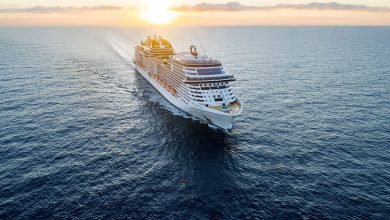
The luxury cruise sector in the Maghreb is experiencing a surge in activity, driven by the rise of maritime tourism in this unique region. With iconic destinations such as Morocco, Tunisia, and Algeria, the luxury cruise market is positioning itself as one of the most dynamic segments of the maritime industry by 2025. This article examines the trends, opportunities, and challenges that are shaping this sector in transformation.
The ports of the Maghreb, including those of Casablanca, Tunis, and Alger, must prepare for this increase in demand. The modernization of port infrastructure is essential to accommodate larger cruise ships and offer high-end services to passengers. In 2023, the port of Casablanca launched a major development project for new installations, aiming to optimize its attractiveness. Furthermore, port authorities are increasingly collaborating with private companies to create integrated service offers, ranging from passenger reception to excursion organization. Such an approach will be crucial to maximize the appeal of Maghrebian ports on the international scene by 2025. However, the sector must also face significant challenges. Security remains a major concern, particularly in a sometimes unstable geopolitical context. Cruise companies must work together with local governments to ensure passenger safety, a condition sine qua non for ensuring market prosperity. Additionally, competition from other Mediterranean destinations, such as Greece and Italy, is intense. Market players must differentiate themselves by offering unique experiences and investing in targeted marketing campaigns to attract cruise passengers.
Conclusion
In conclusion, the luxury cruise market in the Maghreb stands at a crossroads. With robust growth forecasts and increasing demand, the region is on the verge of becoming a privileged destination for sea travelers. Local actors, whether cruise companies or port authorities, must anticipate market developments and adapt to changing passenger expectations to fully capitalize on the opportunities offered by this expanding sector by 2025.