Renovation of Maritime Routes in Italy: Evolution and Statistics
Analysis of Italian Ports: Current State
Over the past two decades, Italian ports have experienced significant fluctuations in their activity. According to data from Bankitalia, maritime trade with foreign countries has shown varied trends, with some locations recording a notable increase in traffic, while others have seen their volumes decline. This snapshot of Italian ports highlights the factors influencing these changes, including the evolution of maritime routes, logistical challenges faced by shipping companies, as well as the impact of government policies and international relations.

Statistics reveal that, despite some temporary decreases, several ports continue to grow thanks to strategic investments and strengthened partnerships with key industry players. For instance, the port of Genoa, which is one of the main container ports in the Mediterranean, has recently invested in modern infrastructure to enhance container handling. In this article, we will explore the dynamics of the Italian maritime market, focusing on the renewal of routes contracted by the Ministry of Infrastructure and Transport (MIT) and the implications for shipping companies.
Recent Statistics on Maritime Traffic in Italy
Growth Trends
Recent analyses show an upward trend in container charters, particularly between China and Italy, with a 13% increase in rates. This change, observed over the past week, has been corroborated by an average rate increase of 16%. Logistics companies must adapt to these new economic realities to remain competitive in an ever-evolving market.
Impact of Government Policies
Government policies play a critical role in shaping the maritime landscape in Italy. Initiatives aimed at improving port infrastructure and streamlining customs processes have been implemented to enhance efficiency. For instance, the Italian Ports Association provides resources and support for ports to modernize and adapt to global shipping trends.
Key Ports in Italy and Their Developments
Several Italian ports have made significant strides in enhancing their operations and capacity:
- Port of Genoa: As mentioned earlier, it is a leading container port that has invested heavily in new technologies and facilities.
- Port of Trieste: Known for its strategic position and deep-water capabilities, Trieste is upgrading its logistics to accommodate larger vessels.
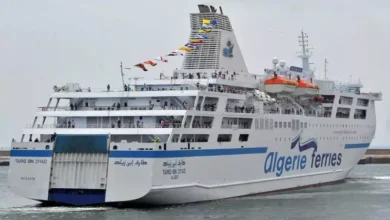
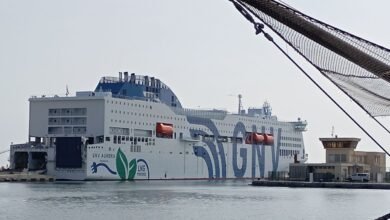
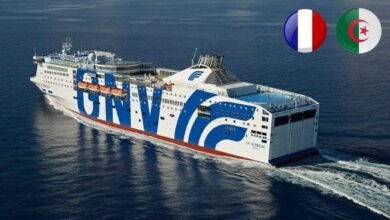
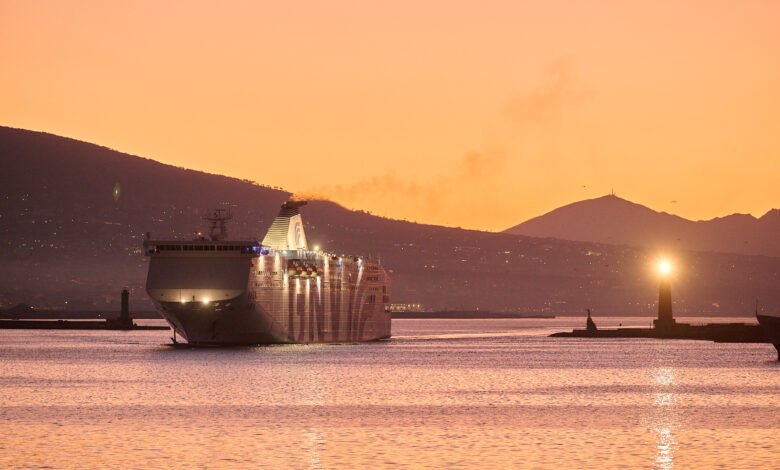
- Port of Naples: This port focuses on cruise and ferry services, enhancing tourism and trade connections.
Technological Innovations in Maritime Transport
The integration of technology in maritime transport is paramount. Innovations such as automated container handling systems and real-time tracking of shipments are revolutionizing operations. According to a report by the United Nations Conference on Trade and Development (UNCTAD), these advancements are crucial for improving efficiency and reducing costs.
The Future of Maritime Routes in Italy
Looking ahead, the Italian maritime industry is poised for further growth and transformation. The ongoing renovation of maritime routes, driven by both public and private sector initiatives, is expected to enhance Italy’s position as a key player in global trade.
Challenges Ahead
Despite the positive outlook, challenges remain. Environmental regulations and the need for sustainable practices are becoming increasingly important in the maritime sector. Shipping companies will need to adapt to stricter emissions standards and invest in greener technologies.
Conclusion
In conclusion, the renovation of maritime routes in Italy is a dynamic process influenced by various factors, including investments, technology, and government policies. As the industry continues to evolve, stakeholders must remain agile to capitalize on emerging trends and navigate the challenges ahead. For further information on maritime policies, refer to the European Commission’s resources on transport and logistics.