GNV Aurora: The New LNG-Powered Ferry from GNV
GNV Aurora: The New LNG-Powered Ferry from GNV
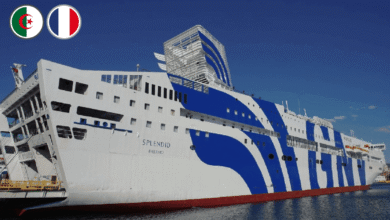
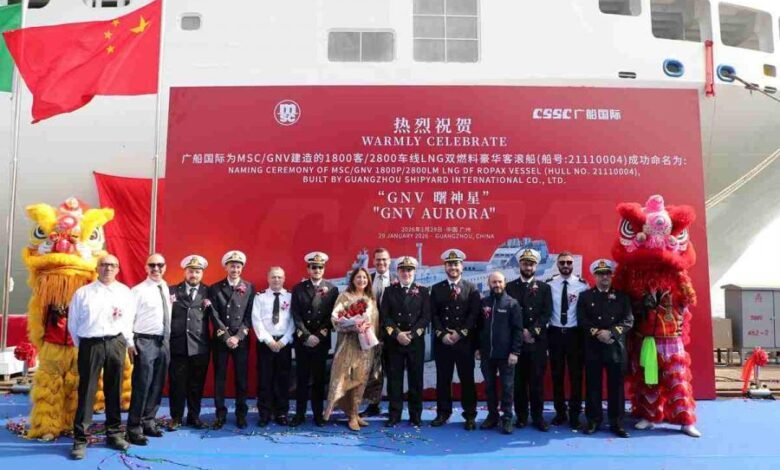
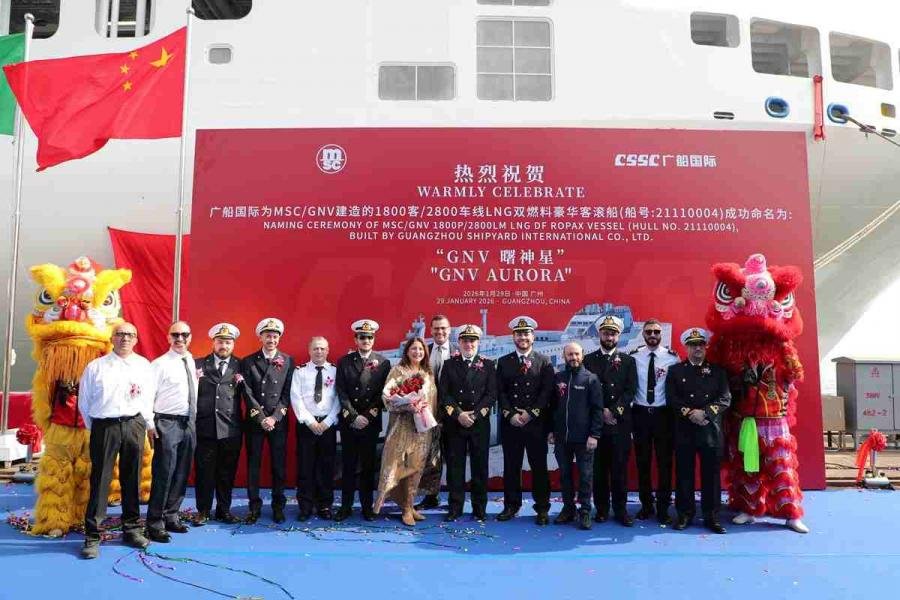
The Italian shipping company GNV (Grandi Navi Veloci) is taking a significant step towards sustainability with the delivery of its new vessel, the GNV Aurora, on January 30, 2026. This ferry, which is the second in the fleet to be powered by liquefied natural gas (LNG), marks a turning point in GNV’s efforts to modernize its fleet while reducing its environmental impact. In this article, we will explore the technical features of the GNV Aurora, its role in the Italian maritime network, and the company’s ecological initiatives.
Technical Features of the GNV Aurora
The GNV Aurora is a state-of-the-art vessel, constructed by the Chinese shipyard Guangzhou Shipyard International (GSI). With a gross tonnage of approximately 53,000 tons, it measures 218 meters in length and 29.60 meters in width, making it one of the largest ferries in its class. This ship is designed to accommodate over 1,700 passengers in 426 comfortable cabins, while also having the capacity to transport up to 2,780 linear meters of freight. To put this into perspective, this is equivalent to the capacity to carry around 150 cargo trucks, which is essential for interregional trade.
Innovative Design and Construction
The innovative design of the GNV Aurora emphasizes not only aesthetics but also functionality. The vessel features an eco-friendly hull shape that reduces drag, thus improving fuel efficiency. The construction materials used are also selected to minimize environmental impact. For more details on ship design, you can refer to the International Maritime Organization.
Performance and Speed
The GNV Aurora is capable of reaching a maximum cruising speed of 25 knots, making it an ideal choice for fast crossings. This speed is comparable to that of many modern cruise ships, allowing for efficient crossings between ports in the Mediterranean basin. This ferry is also equipped with advanced technologies to reduce fuel consumption, thus contributing to a decrease in CO₂ emissions by up to 50% per unit of cargo transported compared to previous-generation ships. A study by the IEEE highlights the environmental benefits of such innovations.
Eco-Friendly Technology
The GNV Aurora utilizes cutting-edge technology that includes an LNG propulsion system, which is significantly cleaner than traditional marine fuels. This transition to LNG is part of a broader initiative by GNV to enhance sustainability across its fleet. According to European Environment Agency, LNG can help in reducing air pollutants and greenhouse gas emissions.
Role in the Italian Maritime Network
The introduction of the GNV Aurora is set to strengthen GNV’s position in the Italian maritime network. This ferry will connect various crucial ports and facilitate trade and tourism across the Mediterranean. The vessel is expected to play a pivotal role in increasing passenger capacity while maintaining a focus on sustainability.
Impact on Regional Trade
The ability of the GNV Aurora to transport a significant amount of freight will bolster regional trade. This capacity is essential for the movement of goods between islands and the mainland, fostering economic growth. The ferry’s routes will include important destinations such as Bari and Messina, both of which are critical hubs in the Italian maritime landscape.
GNV’s Ecological Initiatives
GNV is committed to environmental responsibility, and the GNV Aurora is a testament to this commitment. The company has implemented various ecological initiatives aimed at reducing its carbon footprint and promoting sustainable practices. These initiatives include:
Investments in Green Technologies
To further its sustainability goals, GNV is investing in green technologies across its fleet. This includes retrofitting older vessels with modern equipment that reduces emissions and enhances energy efficiency. For more insight into the importance of green technologies in shipping, check out the Greenpeace report on green shipping.
Commitment to Marine Conservation
In addition to reducing emissions, GNV is also actively involved in marine conservation efforts. The company collaborates with environmental organizations to protect marine ecosystems affected by shipping activities. Their commitment to conservation is reflected in initiatives aimed at reducing plastic waste and supporting marine biodiversity.
Conclusion
In summary, the GNV Aurora is not just a new ferry; it represents a significant leap towards a more sustainable maritime industry. With its advanced technology, impressive capacity, and commitment to ecological initiatives, GNV is setting a new standard in the shipping sector. As the ferry prepares to embark on its maiden voyage in 2026, it promises to enhance both trade and tourism while prioritizing environmental stewardship.
For more information about GNV and its fleet, visit their official website at GNV Official Site.