Traversées Marseille et Alicante Algérie Ferries programme 2024
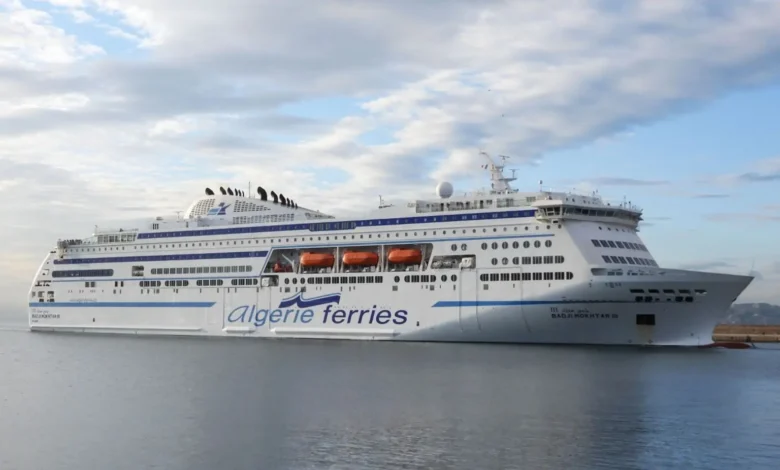
Algérie Ferriesqui a récemment ouvert les ventes sur son programme estival 2024, revient dans une nouvelle annonce, pour apporter d’importantes modifications à son programme de voyage, prévu pour ce mois d’avril, depuis et vers la France.
L’Entreprise nationale du transport maritime des voyageurs a procédé au report et au remplacement des dates de plusieurs voyages à destination du port deMarseilleen France.
- La traversée Marseille – Alger, programmée pour le 17 avril à 16h, au lieu de la traversée Marseille – Bejaia;
- Le voyage Alger – Marseille, prévu pour le 18 avril à 12h, reporté à 16h ;
- La traversée Alger – Marseille, programmée pour le 19 avril à 12 h, au lieu du voyage Bejaia – Marseille ;
- Le voyage Alger – Marseille, prévue pour le 23 avril à bord du Badji Mokhtar III, au lieu des traversées du 21 et du 23 avril ;
- La traversée du retour depuis Marseille vers Alger, programmée pour le 24 avril à 18h, au lieu des voyages initialement prévus pour le 22 et le 24 avril 2024 ;
- La traversée depuis le port d’Alger vers Marseille, programmée pour le 25 avril, sera opérée à partir de 16 h au lieu de 12h.
Le programme des traversées vers l’Espagne de nouveau perturbé
La compagnie maritime nationale annonce également des perturbations dans son programme des voyages versAlicanteen Espagne. En effet, Algérie Ferries a procédé à l’annulation du voyage Alger – Alicante, initialement prévu pour le 19 avril. Comme solution, le transporteur propose à ses clients impactés de s’orienter vers la desserte Oran – Alicante, prévu pour le 21 avril à 19 h.
Algérie Ferries qui a récemment…
Par ailleurs, le voyage Alicante – Alger, du 20 avril 2024, a été annulée. Par conséquent, les voyageurs de la compagnie sont invités à prendre le trajet Alicante – Oran, programmé pour le 22 avril à 19 h.
La compagnie maritime nationale annonce…
La compagnie maritime nationale annonce également des perturbations dans son programme des voyages versAlicanteen Espagne. En effet, Algérie Ferries a procédé à l’annulation du voyage Alger – Alicante, initialement prévu pour le 19 avril. Comme solution, le transporteur propose à ses clients impactés de s’orienter vers la desserte Oran – Alicante, prévu pour le 21 avril à 19 h.
Algérie Ferries qui a récemment…
Modifications du programme de traversées Marseille-Alger pour avril 2024
Détails des changements de dates et horaires des voyages
Par ailleurs, le voyage Alicante – Alger, du 20 avril 2024, a été annulée. Par conséquent, les voyageurs de la compagnie sont invités à prendre le trajet Alicante – Oran, programmé pour le 22 avril à 19 h.