
Direct maritime link Italy-Algeria: stakes for the diaspora
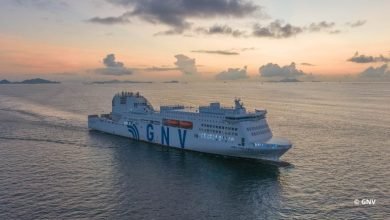
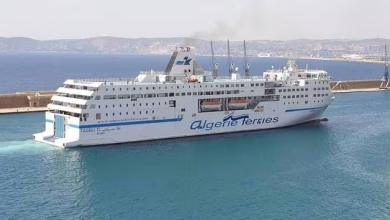
The Algerian diaspora in Italy, which numbers several hundred thousand members, expresses a growing need for a direct maritime link with Algeria. This project could revolutionize the way Algerians in Italy travel to their country of origin, thus becoming a crucial issue for this community eager to strengthen its cultural and family ties. The absence of such a link forces many Algerians to take costly and long routes, often passing through France or Tunisia, which increases the emotional and financial burden of these trips.
A journey fraught with obstacles: the odyssey of Algerians seeking to return
For the Algerian diaspora in Italy, the journey to their homeland is often arduous. In the absence of a direct maritime line, members of this community are forced to make significant detours that prolong their journeys, increase costs, and generate considerable fatigue. Every year, thousands of Algerians must travel to French ports such as Marseille or Sète, or even pass through Tunisian ports, before reaching their homeland. This journey can last several days, a reality deemed unacceptable by many.
The testimonies of members of the diaspora reveal the extent of the problem. Ahmed, an Algerian living in Turin, explains: “To return home, I first have to take a train to Marseille, then a ferry. This can cost me up to 200 euros and take more than 24 hours. A direct line would be a real breath of fresh air.” This reality is shared by many Algerians residing in central and southern Italy, where accessibility to their country of origin is limited.
A collective demand: the call for the creation of a direct maritime line
At a recent meeting in Chieti di Castello, members of the diaspora clearly expressed their wish to see this project realized quickly. Abdelkader Makri, president of the cultural center “Al-Rahma” in Fabriano, advocated for a maritime line that would directly connect Algeria to Italy, emphasizing the importance of this initiative to strengthen ties between the two nations. “Such a line would facilitate travel for families, especially those with members living in Algeria,” he stated.
The creation of a direct maritime link could also have a positive economic impact, not only for the diaspora but also for the Italian and Algerian port regions. Indeed, this initiative could boost trade and tourism between the two countries, thus fostering enriching cultural exchange.
The port of Civitavecchia: a strategic solution
The port of Civitavecchia, located near Rome, is often cited as the ideal starting point for a new maritime line. Its central geographical position would facilitate access for Algerians living throughout Italy, including those in the south and Sicily. Moreover, Civitavecchia is already a stopover port for several shipping companies and could easily accommodate additional links to Algeria. Local authorities and shipping companies would have everything to gain from such a project, as it could increase passenger traffic and generate additional revenue. For more information, visit the official site of the port of Civitavecchia.
A project with multiple benefits
The development of a direct maritime line between Algeria and Italy could also strengthen bilateral relations. The two countries already have strong political and economic ties, and such an initiative would facilitate human and cultural exchanges. Furthermore, a direct maritime link could help reduce transit times for goods, which would be beneficial for businesses on both sides.
A crossing to bring hearts and cultures closer
Beyond logistical implications, this direct maritime line could also serve as a cultural bridge between Algeria and Italy. Algerians in Italy, often attached to their cultural heritage, could thus maintain closer ties with their country of origin while sharing their culture with their Italian fellow citizens. Cultural events, festivals, and exchanges could be organized around this new connection, contributing to a better mutual understanding.
Algerians living in Italy are often ambassadors of their culture, and a direct maritime line would facilitate visits from cultural groups, artists, and students, thus creating enriching exchange opportunities. This would also offer young generations of Algerians in Italy the chance to discover their heritage and deepen their knowledge of Algerian traditions and customs.
The next steps: mobilizing the relevant stakeholders
For this project to become a reality, several steps must be taken. It is essential to mobilize the relevant stakeholders: the Algerian and Italian governments, port authorities, and shipping companies. Discussions must intensify to determine the economic and logistical feasibility of creating this maritime line. Market studies should be conducted to assess potential demand and associated costs.
Furthermore, it would be pertinent to involve the Algerian diaspora in the decision-making process, gathering their opinions and suggestions on the best way to structure this maritime link. Members of the diaspora, who are well aware of the challenges they face, could provide valuable ideas to make this project as effective as possible.
Conclusion: a promising maritime future
The creation of a direct maritime line between Algeria and Italy represents a unique opportunity to strengthen ties between these two countries and improve the quality of life of the Algerian diaspora in Italy. By simplifying travel and promoting cultural exchanges, this project could help build lasting bridges between communities while boosting the economies of both countries.
It remains to be hoped that the competent authorities will take this legitimate request into account and work towards the implementation of this project, which could transform the way Algerians in Italy connect with their homeland. For additional information on maritime transport in the Mediterranean, visit the website of the International Maritime Organization at IMO and that of Maritimes, a maritime news platform.