Maritime Security: The Risks of Remote Control of Ships and Aircraft
The recent discovery of a spy device on an Italian ferry in Sète has raised significant questions regarding the safety and security of maritime transport within the Maghreb region. As technology advances at a rapid pace, the potential for pirates or malicious actors to take control of ships or aircraft remotely has become a topic of intense discussion. While this scenario might seem plausible in an action movie, the reality is far more complex and nuanced.
A Concerning Discovery
The alarming discovery of the spy device has reignited debates about the various threats facing the maritime sector, especially across key ports in the Maghreb such as Tanger Med, Casablanca, Alger, and Tunis. However, experts in maritime security maintain that as long as a pilot is present on board, the takeover of a vessel or aircraft by remote means remains firmly in the realm of fiction. The primary reason for this assurance lies in the fact that navigation personnel always retain the ability to manually regain control, which significantly mitigates the risks of remote hijacking.
Effective Security Systems in Maritime Transport
Modern ships and aircraft are equipped with state-of-the-art electronic systems designed to enhance safety and operational efficiency. These systems not only facilitate navigation but also ensure communication with ground control is secure, thereby preventing unauthorized access. Onboard computer networks are segmented, making it exceedingly difficult for cybercriminals to infiltrate critical systems. Despite growing concerns about cyberattacks, it is noteworthy that, to date, there has been no confirmed case of a successful remote takeover of an aircraft in flight or a commercial vessel.
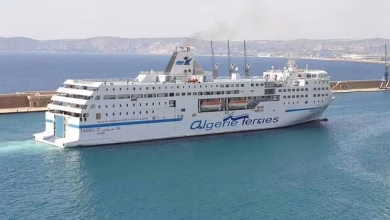
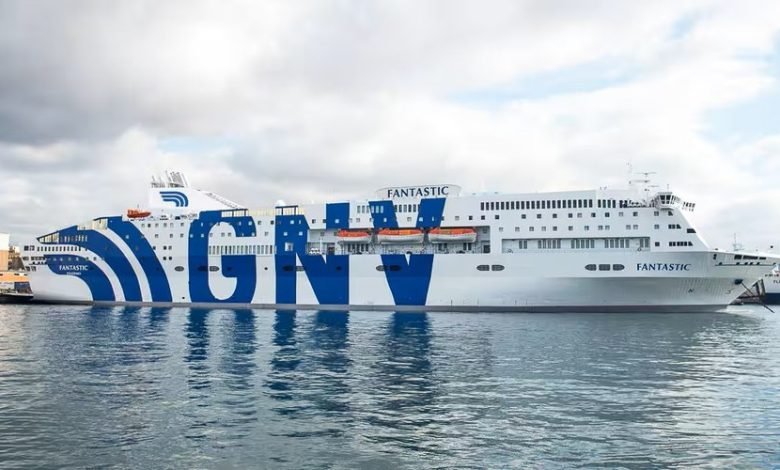
In recent years, several maritime companies operating in the Maghreb, such as GNV and Algérie Ferries, have invested heavily in upgrading their security protocols. These investments are critical as they address the evolving threats in maritime transport, including cyber threats that could compromise safety.
The Real Threats: GPS Jamming and Spoofing
While effective security measures are in place, it is essential to acknowledge that aircraft and ships can be vulnerable to GPS jamming attacks. This technique disrupts satellite signals and can lead to the loss of essential navigation data, which is crucial for safe operations. Two main types of jamming exist: jamming, which completely disrupts the signal, and spoofing, which sends false information to the crew, potentially leading them astray.
Despite these risks, pilots and sailors have access to several alternative navigation methods to ensure safety. They can revert to traditional location methods, such as using analog maps and compasses, and employ inertial navigation systems. These systems, which integrate gyroscopes and accelerometers, allow for precise determination of a ship or aircraft’s position, even in the absence of GPS. This redundancy in navigation methods is crucial, particularly in busy maritime routes in the Mediterranean, where traffic congestion can pose additional risks.
Enhanced Security Measures, But Risks Remain
While it is true that modern ships, particularly those equipped with dynamic positioning systems, may be more vulnerable to cyberattacks, it is important to note that there are extensive safety protocols in place. A malicious actor could potentially stop a ship’s engines in critical situations, such as at sea or during port maneuvers. However, even in these scenarios, pilots are trained to follow emergency protocols, and backup systems are in place to ensure the safety of the crew and passengers aboard. The shipping industry continues to innovate and test new technologies aimed at fortifying maritime security, including blockchain technology for secure communication and data sharing.
Current Developments in Maritime Security
The maritime sector in the Maghreb has witnessed a surge in security investments and technological advancements. For instance, the introduction of drone surveillance in port areas is becoming increasingly common. Drones can monitor large areas quickly and effectively, enhancing the ability of port authorities to detect suspicious activities before they escalate. Furthermore, the implementation of advanced biometric identification systems for crew members enhances security checks and reduces the risk of insider threats.
Moreover, international collaborations are being strengthened to combat maritime threats. The governments of Morocco, Algeria, and Tunisia are actively engaging in joint exercises and information-sharing initiatives to bolster regional maritime security. Such collaborations are essential, as they not only enhance the capabilities of each nation but also contribute to a more stable maritime environment in the Mediterranean, which is vital for trade and economic growth.
Conclusion: Vigilance and Prevention
In conclusion, it is imperative to remain vigilant against potential threats, even if the remote takeover of a ship or aircraft remains, for now, a theoretical concern. The combination of security technologies in place, rigorous training for crews, and ongoing investments in maritime infrastructure helps ensure the safety of maritime transport in the Maghreb. This is particularly true for ferries connecting Morocco, Tunisia, and Algeria as well as for cargo ships traversing vital shipping lanes.
While the potential for remote hijacking cannot be entirely dismissed, it is essential to recognize that the measures currently implemented provide substantial protection against cyber threats. The Maghreb maritime sector, characterized by its bustling ports and diverse shipping companies, continues to adapt to emerging threats while prioritizing the safety of its operations.
As the maritime landscape evolves, staying informed about technological developments and emerging threats is crucial for all stakeholders involved in the maritime industry. By fostering a culture of preparedness and resilience, the Maghreb can ensure that its maritime transport system remains secure and efficient well into the future.