Crossing Sète – Béjaïa: A Review of the GNV Blockage
Crossing Sète – Béjaïa: A Review of the GNV Blockage
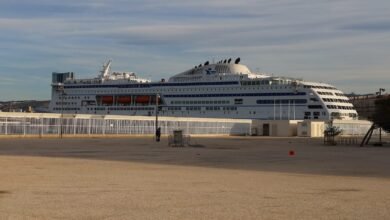
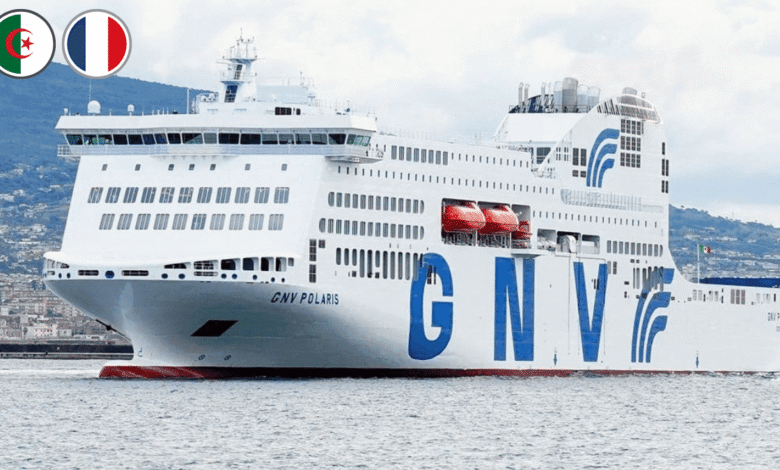
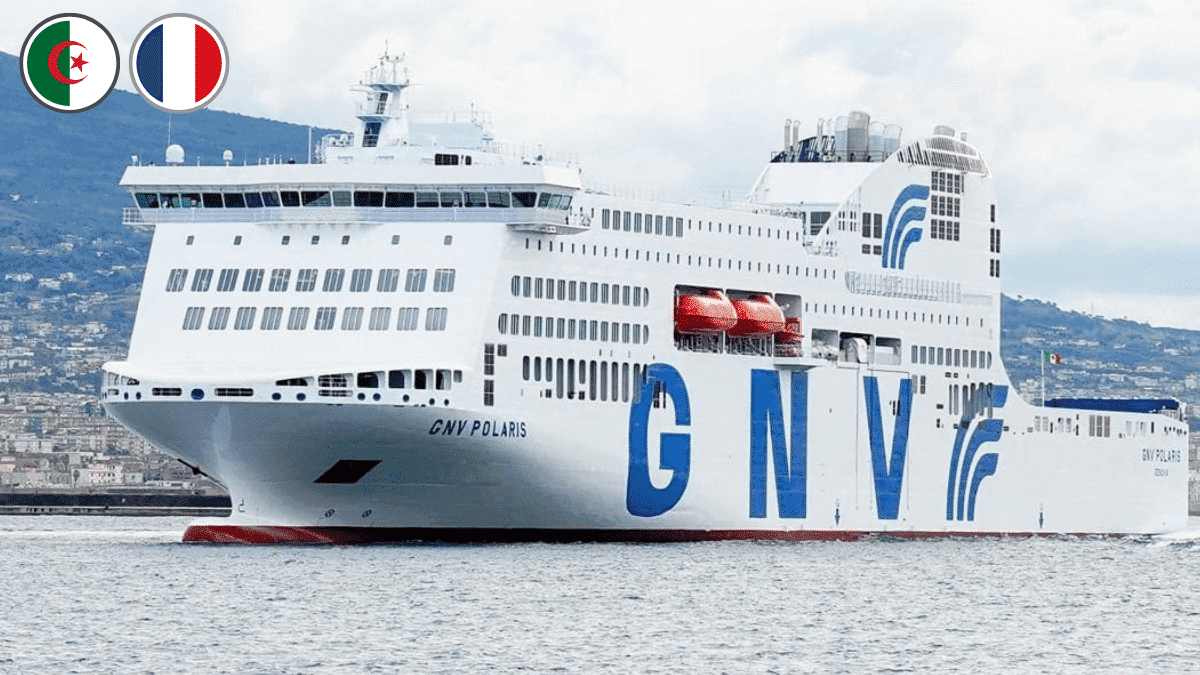
On Saturday, December 13, a major incident disrupted the maritime crossing between Sète, France, and Béjaïa, Algeria, affecting no fewer than 650 passengers. These travelers, largely from various regions of France, as well as other European countries such as Belgium, England, Germany, and the Netherlands, experienced a long period of uncertainty before boarding the GNV ferry. This blockage, which lasted nearly ten hours, raised numerous questions among the affected passengers, particularly regarding communication and the organization of maritime crossings between France and Algeria. In this article, we will examine the circumstances of this incident and its implications for future crossings.
Context of the Sète – Béjaïa Crossing
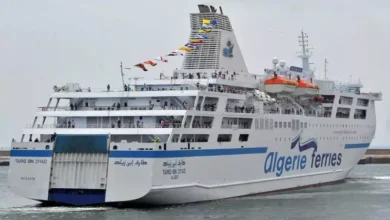
The maritime crossing between Sète and Béjaïa is a vital link for passengers wishing to reach Algeria. Every year, thousands of people travel this route for personal, family, or professional reasons. GNV, or Grandi Navi Veloci, is one of the main operators on this route, providing passenger and freight transport services. The crossing is generally well-organized, but incidents like this one highlight the importance of effective communication and proper management of emergency situations.
The Importance of Reliable Maritime Transport
Reliable maritime transport is essential for maintaining connections between countries. The Sète-Béjaïa route plays a crucial role in facilitating trade and travel between France and Algeria, which is important for both economies. The disruption caused by the GNV blockage not only affected travelers but also had broader implications for logistics and trade. It is crucial for operators like GNV to invest in infrastructure and communication systems to prevent such incidents in the future.
Passenger Expectations
Before each departure, passengers expect a certain level of service, particularly regarding punctuality and the information provided. Delays can cause significant inconveniences, especially for those traveling with vulnerable individuals, such as the elderly or ill. In this particular case, testimonies collected from passengers indicate their dissatisfaction with how GNV managed the situation.
Communication During Delays
Effective communication is crucial during delays. Passengers expressed frustration over the lack of timely updates and information regarding the situation. In an age where digital communication is prevalent, operators must utilize various platforms, such as social media and mobile apps, to keep passengers informed. This can help mitigate anxiety and uncertainty during unexpected events.
Implications for Future Crossings
Incidents like the GNV blockage on the Sète-Béjaïa route serve as a wake-up call for maritime transport operators. Here are several implications for future crossings:
- Improved Emergency Protocols: Operators should establish and regularly update emergency protocols to handle unexpected disruptions.
- Enhanced Communication Strategies: Utilizing technology to provide real-time updates can significantly improve passenger experiences during delays.
- Passenger Support Services: Offering support services, such as accommodations or meal vouchers during long delays, can enhance customer satisfaction.
For more information about maritime regulations and passenger rights, you can visit the European Parliament.
Conclusion
In conclusion, the GNV blockage on the Sète-Béjaïa crossing highlights the need for improvements in maritime transport operations. By addressing communication gaps and enhancing passenger support, operators can provide a better travel experience and ensure the safety and satisfaction of their customers. As travel between France and Algeria continues to grow, it is imperative for companies like GNV to learn from these incidents and adapt accordingly.
For further details about maritime travel, you can visit the official websites of Balearia and local port authorities, which provide essential information on routes and services.