Direct Maritime Crossing Annaba-Tunis: A New Era for Trade
Direct Maritime Crossing Annaba-Tunis: A New Era for Trade
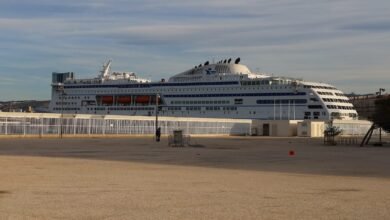
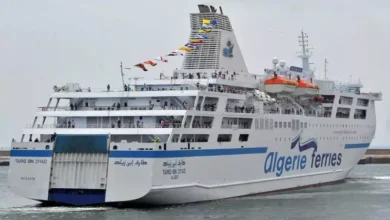
A new maritime link between Algeria and Tunisia is in the works, promising to enhance economic and cultural exchanges between these two neighboring countries. Announced by the Minister of Interior, Local Authorities, and Transport, Saïd Sayoud, during a plenary session at the National People’s Assembly (APN) on December 16, this initiative could transform human and commercial exchanges through a direct crossing between Annaba and Tunis.
A Strategic Maritime Link Between Annaba and Tunis
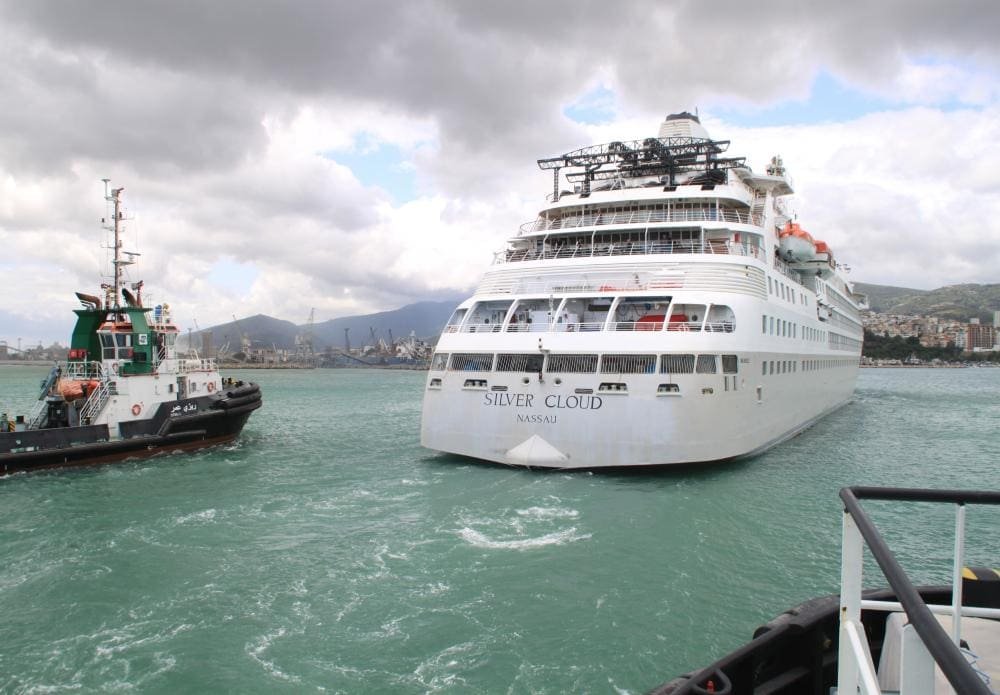
The establishment of this new maritime line is part of a broader effort to invigorate relations between Algeria and Tunisia. This direct maritime crossing is highly anticipated by citizens of both countries, who will benefit from easier and faster access. According to the minister, a preliminary agreement has been reached with his Tunisian counterpart, marking a crucial first step toward the realization of this project.
Indeed, Algeria and Tunisia share a border of over 1,000 km, and exchanges between the two nations have always been significant, both commercially and culturally. The new maritime link is expected to boost tourism, facilitate trade, and enhance cooperation in various sectors, including agriculture, technology, and education.
Impact on Tourism and Trade
With the new maritime route, tourists from both countries will have the opportunity to explore cultural treasures and natural beauties more easily. This initiative could significantly increase tourism traffic, contributing to the economies of both nations. For instance, the picturesque beaches of Tunisia and the rich historical sites of Algeria could attract a larger number of visitors.
Furthermore, the maritime crossing will streamline trade processes, making it easier for businesses to exchange goods. Enhanced trade relations could lead to a wider variety of products being available in both markets, benefiting consumers and entrepreneurs alike.
A Joint Company to Manage the Link
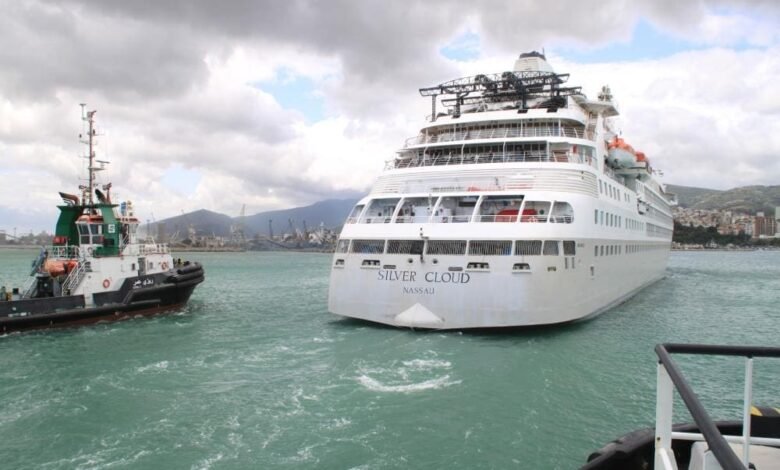
To manage this new line, a joint Algerian-Tunisian company is set to be established. This company will rely on chartered vessels, ensuring effective maritime transport between the two shores of the Mediterranean. The chartering of suitable ships is essential to guarantee quality service, both for passenger transport and maritime freight.
Modern Amenities for Passengers
For instance, the use of modern ferries equipped with amenities such as restaurants and relaxation areas could enhance the passenger experience, making the crossing more enjoyable. Such facilities would attract more travelers, contributing to the overall success of the maritime link.
For more information on maritime transport and services, you can visit Balearia’s official website, which offers insights into ferry services in the Mediterranean region.
Feasibility Studies and Project Implementation
Saïd Sayoud also specified that discussions regarding this project are ongoing, aiming to finalize the necessary arrangements for its implementation. Feasibility studies are crucial to assess the potential economic impact and logistical requirements of this maritime crossing.
Moreover, the Algerian and Tunisian governments must work together to address potential challenges, such as regulatory compliance, safety standards, and environmental considerations. Successful implementation of the project will require collaboration among various stakeholders, including port authorities and maritime agencies.
To stay updated on the progress of this initiative, refer to the official announcements from the Algerian Ministry of Transport, which can be accessed through their website: Ministère des Transports Algérien.
Conclusion: A Promising Future for Algeria-Tunisia Relations
The direct maritime crossing between Annaba and Tunis represents a significant step towards strengthening the bonds between Algeria and Tunisia. As both nations look to enhance their economic and cultural exchanges, this initiative has the potential to foster greater cooperation and mutual benefits for their citizens.
In summary, the anticipated maritime link is not merely a transportation project but a catalyst for broader economic growth, increased tourism, and lasting partnerships. It is a promising development that could usher in a new era for trade and cultural integration in the region.
For further reading on the importance of maritime transport in trade, you can check out the insights provided by the United Nations Conference on Trade and Development (UNCTAD).