Direct Maritime Crossing Between Annaba and Tunis: A Promising Project
Direct Maritime Crossing Between Annaba and Tunis: A Promising Project
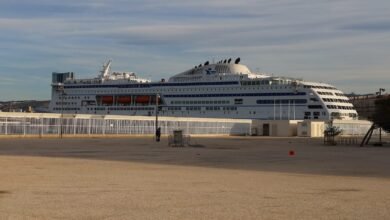
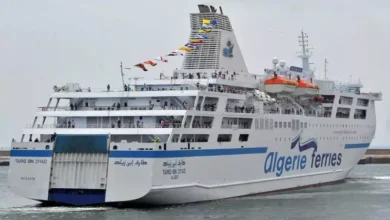
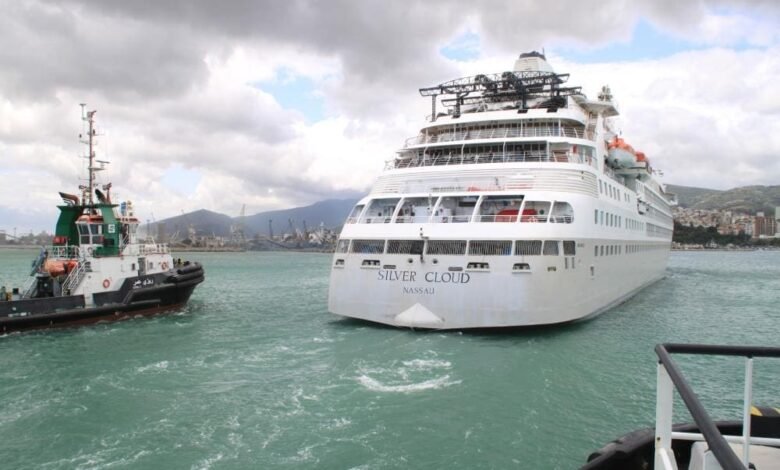
The development of new maritime connections in the Mediterranean basin is crucial for enhancing exchanges among countries in the region. A recent initiative has drawn attention: the establishment of a direct maritime crossing between Annaba, Algeria, and Tunis, the capital of Tunisia. Announced by Saïd Sayoud, Minister of the Interior, Local Authorities, and Transport, this project aims to facilitate human and economic exchanges between these two neighboring nations while promoting regional cooperation.
A New Maritime Link Between Algeria and Tunisia
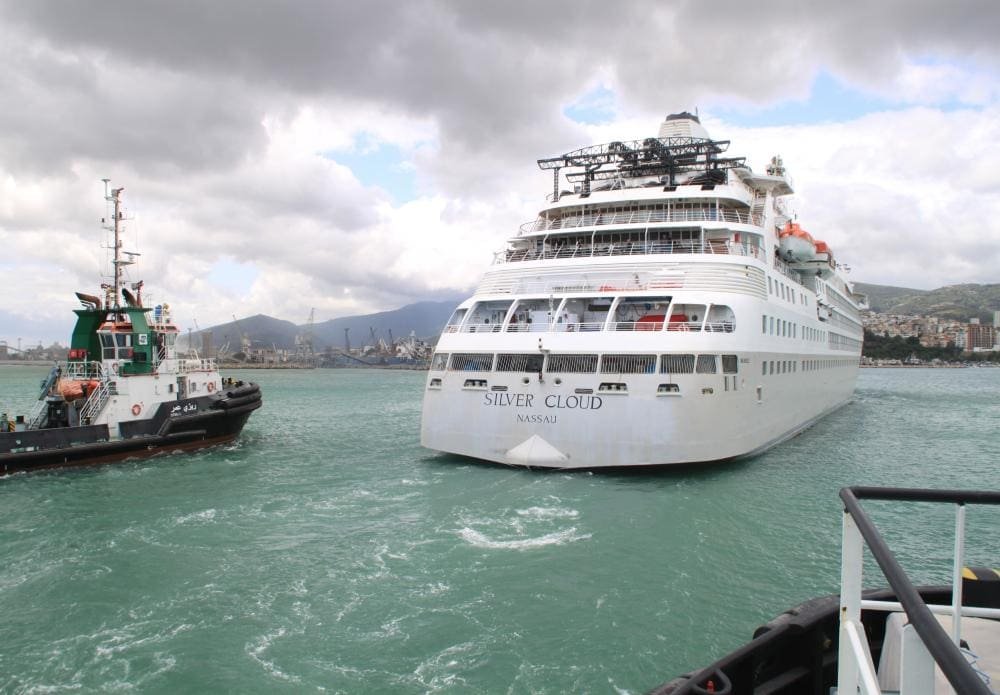
During a plenary session at the National People’s Assembly (APN) on December 16, Saïd Sayoud outlined the key features of this ambitious project. The proposal to create a maritime line directly connecting Annaba to Tunis represents a significant advancement in bilateral relations between Algeria and Tunisia. This new maritime link could not only boost tourism but also strengthen trade exchanges between the two countries.
Impact on Tourism
The new maritime connection is expected to enhance tourism significantly. With easier access to Tunisian beaches and cultural sites, Algerian tourists are likely to explore more of what Tunisia has to offer. Conversely, this initiative may also attract Tunisian tourists to discover the unique attractions of Annaba, including its rich history and beautiful coastline.
Boosting Trade Opportunities
The establishment of this maritime line is envisioned as a lever to invigorate the economies of both countries. By facilitating access to markets, this initiative could contribute to the growth of several sectors, such as tourism, commerce, and transportation. For more information on the importance of maritime connections in economic development, check out this article on Balearia.
The Economic Stakes of the Maritime Crossing
This maritime crossing is not only about travel; it also holds significant economic potential. The direct link could streamline supply chains and reduce transportation costs for businesses in both countries. This is particularly important for industries such as agriculture and fishing, where time-sensitive products can greatly benefit from quicker transit times.
Regional Cooperation and Development
By fostering closer ties between Algeria and Tunisia, this maritime project can serve as a model for regional cooperation in the Mediterranean. Improved relations could lead to collaborative projects in various sectors, including energy, technology, and education. Such partnerships are essential for addressing shared challenges such as climate change and economic development.
Infrastructure Investments
The success of the maritime crossing will depend on adequate infrastructure in both Annaba and Tunis. Investments in port facilities, customs procedures, and transportation links will be necessary to ensure smooth operations. For updates on port facilities and infrastructure improvements, visit the Port Authority of Tunisia.
The Objectives of the Maritime Crossing
This initiative aims to:
- Strengthen cultural and economic exchanges between Algeria and Tunisia.
- Facilitate travel for Algerians and Tunisians across the two shores.
- Promote regional stability and cooperation through enhanced connectivity.
Conclusion
The direct maritime crossing between Annaba and Tunis is a promising step towards deeper integration between Algeria and Tunisia. By enhancing tourism, boosting trade, and fostering regional cooperation, this project has the potential to transform economic dynamics in the Mediterranean basin. As developments unfold, stakeholders from both nations will be keenly watching the progress of this initiative.
For further insights into maritime transport and economic development in the region, refer to the Euro-Mediterranean Transport Project.