Incident in Sète: Attempt to Control a Ferry to Algeria
Incident in Sète: Attempt to Control a Ferry to Algeria
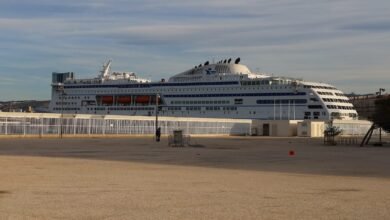
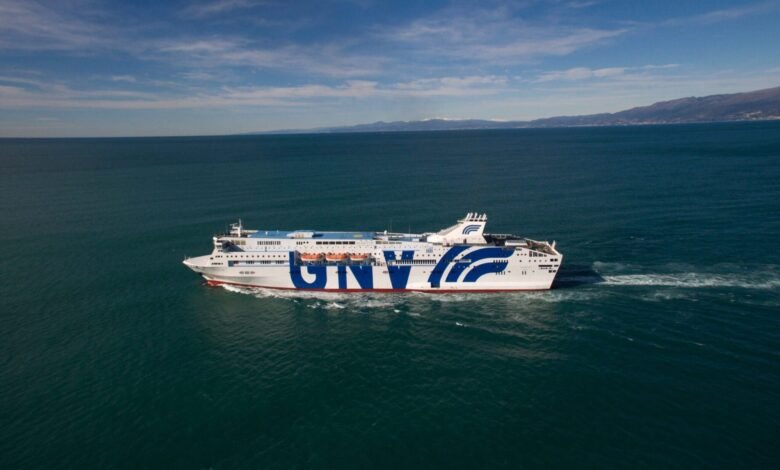
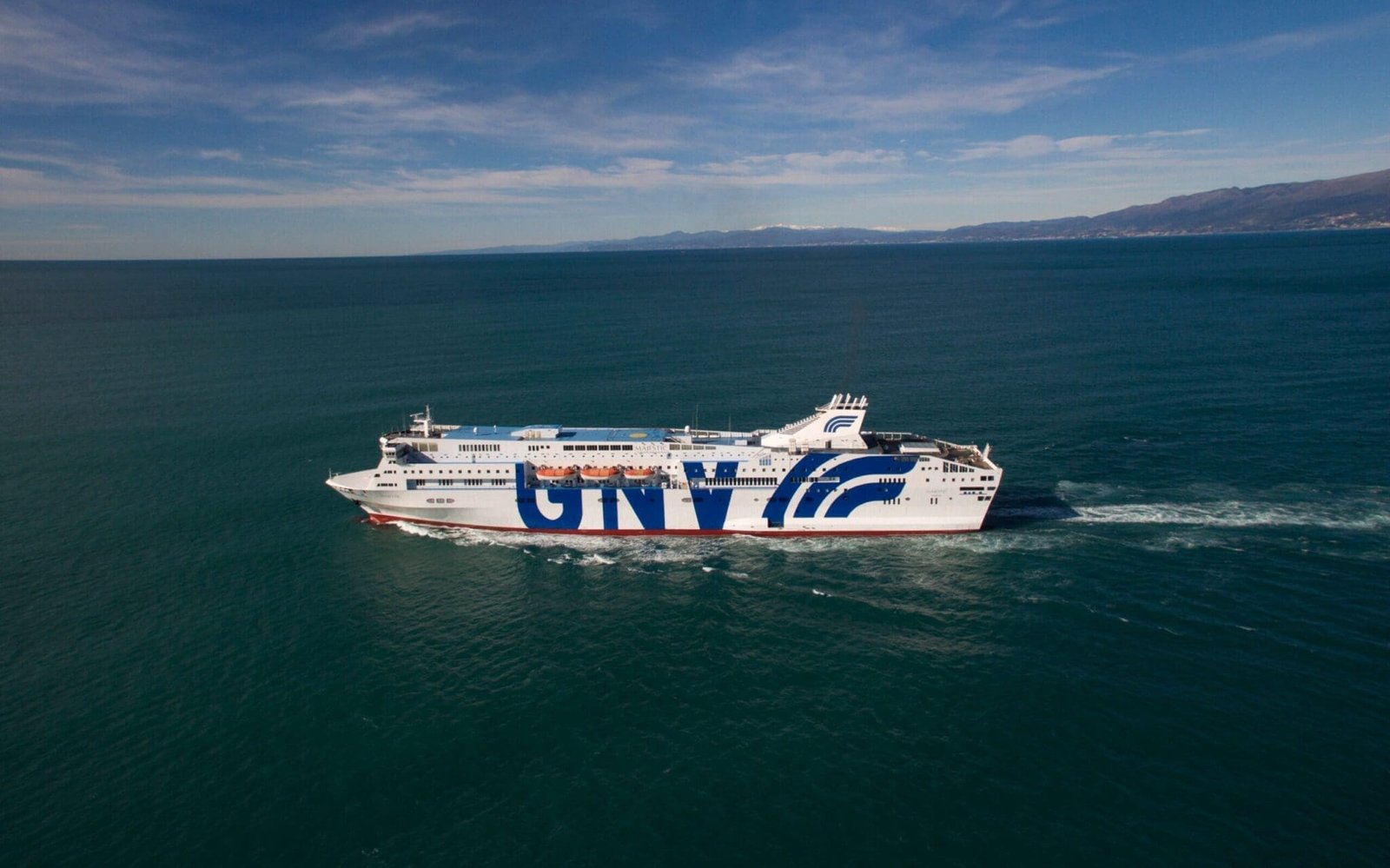
On Saturday, December 13, a maritime crossing to Béjaïa, Algeria, was disrupted by an unprecedented incident. The ferry Le Fantastic, operated by the Italian company GNV (Grandi Navi Veloci), was scheduled to depart from the port of Sète, but the departure never took place. Nearly 650 passengers, the majority of whom were Algerians, found themselves stranded at the port without any information about the situation. This incident raises crucial questions about the safety of maritime crossings in the Mediterranean and the management of transport between Europe and the Maghreb. The Mediterranean, a major route for maritime transport, faces increasing security challenges that require special attention.
The Circumstances of the Incident at Sète Port
The ferry Le Fantastic, set for a journey to Béjaïa, was unable to leave the port of Sète at 6 AM as initially planned. Passengers, holding their tickets, were kept away from boarding, without explanation or assistance from the company or port authorities. This situation created an atmosphere of confusion and anxiety among travelers, who waited for the resolution of this mystery for many hours. Numerous passengers, some traveling with children, expressed their frustration over the lack of communication, highlighting the importance of effective crisis management in the transport sector.
Passenger Experiences and Reactions
Many passengers reported feeling abandoned, as they were left without any updates or guidance. The lack of information exacerbated the situation, and numerous families found themselves in a precarious position. Some passengers reached out to local media and social networks to voice their concerns, hoping to gain clarity on the situation. In such scenarios, transparent communication is essential for maintaining trust between transport companies and their customers.
Rumors of a Security Intervention
Quickly, rumors began to circulate regarding a possible intervention by security forces. Concerned and puzzled, passengers tried to understand the reasons for this immobilization. Unofficial reports spoke of an ongoing investigation, but official confirmation was slow to arrive, leaving passengers in a state of uncertainty.
The Role of Authorities and Crisis Management
This incident underscores the need for improved crisis management protocols within the maritime transport sector. Authorities must ensure that passengers are informed and supported during unexpected situations. It is crucial for companies like GNV to have effective communication strategies in place to manage crises and maintain passenger safety. For more information on maritime safety regulations, you can visit the International Maritime Organization.
Future Implications for Maritime Safety
The incident at Sète port raises broader concerns about maritime safety in the Mediterranean region. As the number of crossings increases, so do the risks associated with them. Authorities need to implement more stringent security measures to ensure the safety of passengers and crew. Moreover, regular drills and training for staff can help improve emergency response times during critical situations.
The Mediterranean Sea is not only a vital route for transporting goods and passengers but also a region that has seen its fair share of maritime disasters. For updated information on maritime transport across the Mediterranean, you can visit Balearia, a leading ferry operator in the region.
The Importance of Passenger Rights
In light of such incidents, it is essential for passengers to be aware of their rights when traveling by ferry. Organizations such as the European Consumer Centre provide resources and guidance on passenger rights in the event of delays or cancellations. Passengers should be informed about their options and the recourse available to them in case of disrupted travel plans.
Conclusion
The incident involving the ferry Le Fantastic at Sète port serves as a reminder of the complexities and challenges inherent in maritime transport. As the Mediterranean continues to be a crucial corridor for travel between Europe and North Africa, enhancing safety protocols and communication strategies will be vital for ensuring passenger confidence and safety. The event also highlights the importance of crisis management in the transport sector, prompting a call for more robust measures to prevent future occurrences.