Arrest in France: A man accused of having implanted malware on an Italian ferry
Arrest in France: A Man Accused of Implanting Malware on an Italian Ferry
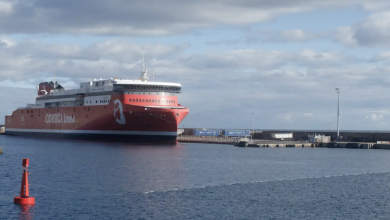
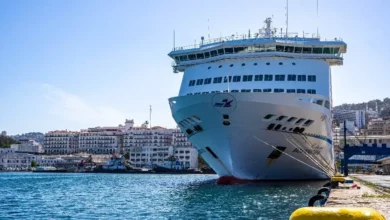
The recent arrest of a Latvian citizen by French authorities has sparked significant concerns regarding maritime cybersecurity. This individual is suspected of having implanted malicious software aboard the Italian ferry, Fantastic, which was docked in the port of Sète, located in the south of France. This alarming discovery has raised critical questions about the vulnerability of modern navigation systems and the potential implications for maritime operations across the Mediterranean, particularly in the Maghreb region.
A Detected Threat
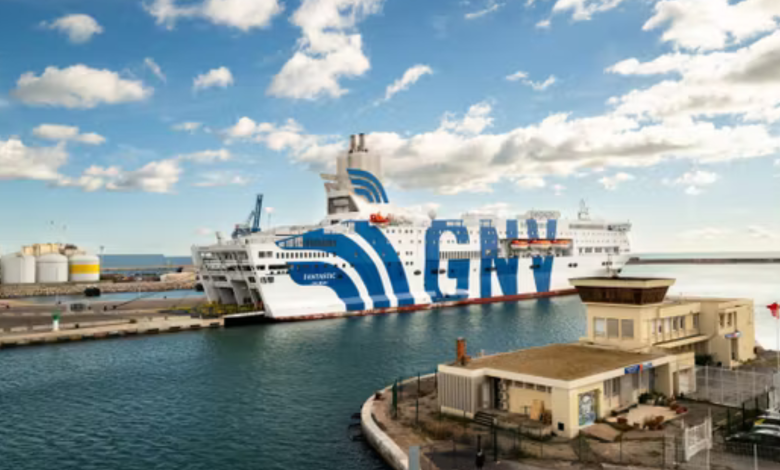
According to reports from the newspaper Le Monde, investigators identified a remote access tool installed on the ferry that could have allowed unauthorized actors to take control of the ship’s systems remotely. The Fantastic, operated by the Italian company Grandi Navi Veloci (GNV), was in the loading phase when the malware was discovered. The Italian authorities had previously alerted French officials about the possibility of the ferry’s operating system being infected by a remote access Trojan (RAT), a type of malware that grants unauthorized access to computer systems.
The Implications of the Incident
The Paris prosecutor’s office has confirmed that two crew members were initially apprehended as part of the investigation. A Bulgarian crew member was released without charges, while another Latvian crew member, who was recently integrated into the crew, remains in detention. Prosecutors have opened an investigation into an alleged attempt « by an organized group to attack an automated data processing system, in order to serve the interests of a foreign power. »
Although GNV has not disclosed the specific systems affected, media sources in both France and Italy have reported that investigators suspect the malware may have provided access to operational systems related to the ship’s functions, including critical components associated with navigation. This revelation raises concerns about the safety and security of maritime transport, particularly for ferries that serve as vital links between countries and regions.
A Growing Cyber Threat
The French Minister of the Interior, Laurent Nuñez, described this incident as a possible act of foreign interference, indicating that investigators are exploring the possibility of state actor involvement. He did not name a specific country but emphasized that such interferences have become a recurring theme in recent investigations across Europe. This incident highlights the increasing sophistication of cyber threats facing the maritime industry, which is already grappling with numerous challenges.
Modern ferries rely on a complex combination of standard PCs, industrial controllers, and embedded systems to manage various aspects of operations, including route planning, engine management, and cargo and crew administration. Although safety-critical systems are generally designed to be segmented from general networks, the reality of shared infrastructures complicates this separation and increases the risks of cyberattacks. In fact, according to a report by the International Maritime Organization (IMO), nearly 50% of maritime companies reported experiencing cybersecurity incidents in recent years.
A Concerning Case for Maritime Security
The Latvian crew member could face serious charges related to the possession of equipment likely to interfere with navigation systems. Investigators are treating the malware as a tool that goes beyond mere data theft. Remote access software, if installed on poorly isolated systems, can serve as a gateway for lateral movement to more sensitive networks, jeopardizing not only the vessel’s safety but also the security of entire port operations.
This investigation into the ferry incident coincides with another investigation in France related to a cyberattack on the email servers of the Ministry of the Interior. This attack led to the arrest of a 22-year-old suspect earlier this week, further highlighting the urgent need for enhanced cybersecurity measures across various sectors.
The Maritime Landscape in the Maghreb
The implications of this incident extend beyond Europe and into the Maghreb region, which includes Morocco, Tunisia, and Algeria. The maritime sectors in these countries are critical for trade, tourism, and economic development. Major ports such as Tanger Med in Morocco, Tunis, and Alger play pivotal roles in facilitating maritime transport and logistics.
As of 2023, the maritime economy in the Maghreb is rapidly evolving. The region has seen a surge in maritime traffic due to increased trade with Europe and the rest of the world. According to the latest statistics, Morocco alone recorded over 200 million tons of cargo handled in its ports in the past year, reflecting a robust maritime sector. However, with this growth comes increased vulnerability to cyber threats, as evidenced by the recent incident involving the Fantastic.
International Cooperation in Maritime Cybersecurity
In light of the growing threats posed by cybercriminals and potential state-sponsored actors, it is essential for countries in the Maghreb to strengthen their cybersecurity measures. This includes investing in advanced security technologies, enhancing training programs for personnel, and fostering international cooperation to address cyber threats effectively.
Collaboration among maritime nations, especially those in the Mediterranean, is crucial for developing comprehensive cybersecurity strategies. Initiatives such as the Euro-Mediterranean Maritime Security Initiative aim to enhance cooperation and information sharing, which are vital for preventing cyber incidents and ensuring the safety of maritime operations.
Conclusion
This incident involving the Italian ferry Fantastic underscores the critical need for robust cybersecurity measures in the maritime sector, not only in Europe but also in the Maghreb. As Morocco, Tunisia, and Algeria continue to develop their maritime infrastructures, it is imperative to prioritize the security of critical systems against evolving cyber threats. Authorities must remain vigilant and proactive, adopting comprehensive strategies to safeguard maritime operations.
In summary, the arrest of the suspect highlights the importance of international cooperation in addressing cyber threats and ensuring the security of maritime operations in an increasingly complex global context. The maritime industry must adapt to these challenges, leveraging technology and collaboration to protect against emerging risks.