
Casablanca: The Cruise Terminal, a Strategic Asset for Moroccan Tourism
A Tourist Revolution in Casablanca
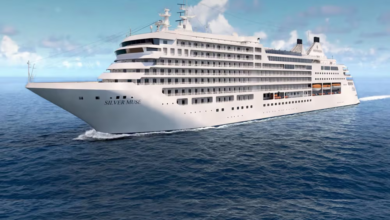
The metropolis of Casablanca, recognized as the economic engine of Morocco, is set to undergo a major transformation in its tourism sector following the inauguration of its cruise terminal in 2025. This new port infrastructure is designed to position the city as a sought-after destination for cruise passengers, with forecasts of welcoming up to one million additional arrivals by 2030. Industry analysts anticipate that this development will benefit not only Casablanca but also other Moroccan ports such as Tangier and Agadir. Together, these three ports could generate up to one million cruise passengers, thus changing the landscape of maritime tourism in the region. For more information on Morocco’s tourism potential, visit Morocco’s Ministry of Tourism.
A Growing Stopover Dynamic
Othmane Cherif Alami, president of the Casablanca Regional Tourism Council, shared his hopes regarding this new era. He believes that the city could reach 300,000 cruise passengers as early as 2026 and surpass the symbolic milestone of one million by 2030. « The inauguration of this terminal will undoubtedly multiply the number of maritime passengers visiting our city, » he stated, emphasizing the quality of services and the appeal of available tourist circuits. Since its opening, the terminal has already seen a significant influx of stopovers, averaging three ships per week. This activity is expected to intensify with the arrival of the high season. Cruise passengers stopping in Casablanca primarily come from Mediterranean and Atlantic regions, showing an increasing interest in cultural itineraries and authentic discoveries. For insights into cruise trends, check out Cruise Industry News.
A Strongly Growing Demand
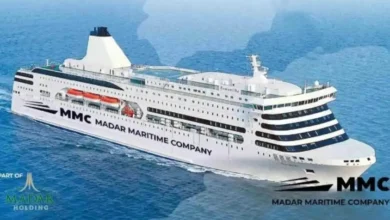
Alizés Travel, which holds nearly 60% of the Moroccan cruise market, attests to a marked interest from shipowners for Casablanca. Its CEO, Jalil Madih, noted a strong demand at recent international fairs, particularly in Hamburg. « We expect to welcome an average of 250 stopovers per year by 2027, » he predicted. This trend is accompanied by a growing demand for extended stays, especially for passengers wishing to explore destinations like Marrakech or Fez. With ships capable of carrying up to 2,000 passengers, the numbers can quickly escalate. Considering the various ports, it is reasonable to anticipate that Casablanca, Tangier, and Agadir could attract around 500,000 cruise passengers in a season. For more details on cruise ship capacities, visit International Maritime Organization.
Promising Economic Benefits
Beyond mere statistics, the economic repercussions of this growth in the cruise sector are encouraging. Cruise passengers spend an average of between 120 and 150 euros during their stopover, thus contributing to the growth of the local economy. Furthermore, those who extend their stay in Casablanca generate additional revenue for the hospitality and tourism services. Studies estimate that this dynamic could bring in over one billion dirhams annually to the Moroccan economy through the expansion of maritime tourism. Meanwhile, high-end cruises targeting affluent clientele are on the rise, further increasing profits for the affected destinations. For more on the economic impact of tourism, see Maritime Executive.
The Maghreb and the Mediterranean: An Emerging Destination
The strategic geographical location of Morocco, at the crossroads of Europe and Africa, is a major asset for attracting cruise passengers. Moroccan ports offer unique experiences, blending history, culture, and diverse landscapes. Shipowners perceive significant growth potential, particularly for Mediterranean and transatlantic routes that highlight the natural and cultural wealth of the country. Local authorities and stakeholders in the tourism sector are therefore encouraged to seize this new opportunity by developing attractive and innovative circuits to appeal to an ever-wider audience. In summary, the Casablanca cruise terminal marks the beginning of a new era for maritime tourism in Morocco. With ambitious prospects and the commitment of industry players, the economic capital could become one of the most sought-after cruise ports in the Mediterranean in the coming years.