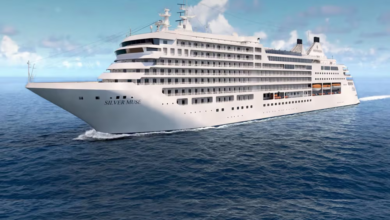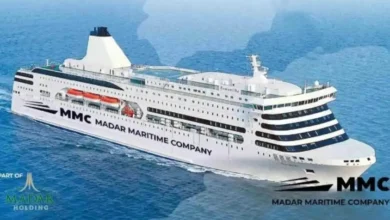

Cruises in the Mediterranean: State of affairs and challenges for the sector in the Maghreb
The situation in Morocco is just as complex. Although the country welcomed 11,6 million tourists over the first seven months of the year, representing a 16% increase compared to the previous year, worrying signs of slowdown are emerging. While the growth dynamic was initially promising with a 27% increase at the beginning of the year, it has dropped to just 6% in July. Zoubir B., tourism expert, notes that even if summer performances are positive, they are tarnished by a perception of sector fatigue. Another point of contention lies in accommodation prices, often deemed excessive by the Moroccan diaspora. Many online users express their discontent on social media, citing frustration with prices that do not always reflect service quality. Marrakech, Morocco’s showcase for tourism, is not immune to this trend. According to a survey by the Regional Association of the Hotel Industry, the city saw its attendance drop 30% in June, raising questions about the attractiveness of 3 and 4-star hotels.
Marrakech: A crucial challenge for maritime tourism
Marrakech, prized by both cruisers and tourists, is facing an alarming reality. Ahmed Bennani, president of the local hotel association, indicates that even promotiontions have not been enough to reverse this downward trend. Mustapha Amalik, secretary general of the Regional Tourism Council Marrakech/Safi, highlights concerns about the future of the city as a flagship destination. Worries about tourist experience quality are intensifying. Clients, increasingly demanding, criticize practices deemed abusive on online review platforms like TripAdvisor. These returns emphasize the need to consider a more in-tune tourism model with modern visitors’ expectations.
Towards a renewed tourism model for the Maghreb
The question of the future of tourism in the Maghreb is pressing. The combination of price inflation, inadequate offers, and excessive dependence on diaspora raises questions. Sector actors must imperatively rethink their strategies to remain competitive against rival Mediterranean destinations. The cruise sector, in particular, could play a crucial role in this transformation. With growing demand for authentic and immersive experiences, it is essential to develop tourist offerings that go beyond the simple stopover. By reinventing interactions between cruisers and local businesses, Maghreb countries could not only enhance their image but also generate significant economic returns.
Conclusion: A promising future for maritime tourism
The tourism sector in the Maghreb, particularly that of cruises, must evolve to adapt to new market realities. Although challenges abound, opportunities are plentiful. By orienting themselves towards a more sustainable and inclusive model, regional countries could not only overcome current obstacles but also position themselves as leaders on the Mediterranean maritime scene.