CTN: Carthage Sailings Changed (Jan 21–23, 2026) Due to Weather
When you travel by ferry, timing matters—but weather matters even more. Unlike many forms of land transport, maritime crossings are directly affected by wind, swell, visibility, and port maneuvering conditions. In winter, the Mediterranean can shift quickly from calm to rough seas, forcing operators to adjust departures and arrivals to keep passengers safe and comfortable.
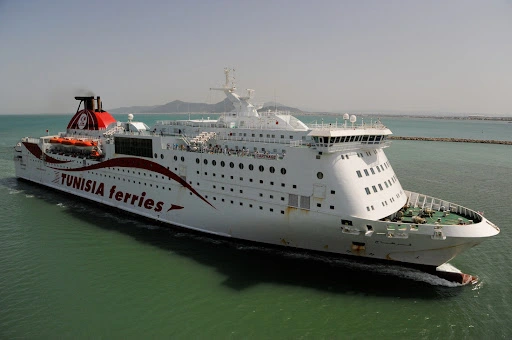
That’s the context behind a recent official notice from Compagnie Tunisienne de Navigation (CTN). The company announced that poor weather conditions across the Mediterranean basin between January 20 and 22, 2026 required changes to the operating plan for the vessel “Carthage.” The aim, CTN explained, is to ensure safety and passenger comfort during that period.
Because schedule changes can disrupt everything—airport transfers, hotel check-ins, work commitments, and family pickups—this article breaks the update down in a clear, traveler-friendly way:
- What exactly changed (date + time)
- What your “real arrival day” is (especially for overnight crossings)
- What you should do next (checklist)
- Useful official links and hashtags
You’ll also find a wider regional note for readers across the Maghreb: these travel updates are closely followed not only in Tunisia, but across Maroc, Tunisie, Algérie, where people routinely compare and plan Mediterranean crossings. (Yes, those exact SEO keywords are included as requested: maritime, Maroc, Tunisie, Algérie.)
1) Why CTN changed the schedule: the simple explanation
CTN’s notice is a classic “weather-driven operational adjustment.” In rough conditions, ferry operators may delay a sailing because:
- Strong winds and heavy swell can make berthing (docking) risky or slow
- Ports may restrict movements during certain weather windows
- Sailing in poor conditions can significantly reduce comfort (seasickness, heavy motion)
- Safety protocols require conservative decisions when forecasts worsen
In this case, CTN explicitly linked the changes to adverse Mediterranean weather expected from Jan 20–22, 2026, and stated that the changes are intended to protect customer safety and comfort.
2) What changed: the UPDATED Carthage timetable (easy to read)
CTN’s notice covers two items:
- Tunis → Marseille → Tunis rotation (Jan 21–23, 2026)
- Tunis → Genoa sailing on Jan 23, 2026
Below is the updated program, written in a clean “what/when” format.
A) Tunis / Marseille / Tunis (Jan 21–23, 2026)
1) Depart Tunis (La Goulette):
- New departure: Wednesday, Jan 21, 2026 at 10:00 AM
- (instead of Tuesday, Jan 20, 2026)
2) Arrive Marseille:
- New arrival: Thursday, Jan 22, 2026 at 10:00 AM
- (instead of Wednesday, Jan 21, 2026)
3) Depart Marseille (return):
- New departure: Thursday, Jan 22, 2026 at 2:00 PM (14:00)
- (instead of Wednesday, Jan 21, 2026)
4) Arrive Tunis (La Goulette):
- New arrival: Friday, Jan 23, 2026 at 12:00 PM (midday)
- (instead of Thursday, Jan 22, 2026)
What this means in practice:
This round trip is effectively shifted so the sailing window becomes Jan 21–23, with Tunis departures and returns adjusted accordingly.
B) Tunis / Genoa (Jan 23, 2026)
Depart Tunis (La Goulette):
- New departure: Friday, Jan 23, 2026 at 3:00 PM (15:00)
- (instead of 11:00 AM)
What this means in practice:
Same date, but a later departure—so your port arrival time and check-in plan should be updated.
3) Don’t get caught by the #1 ferry scheduling trap: “arrival day” vs “arrival time”
One common reason travelers get stressed during maritime changes is confusion between:
- Clock time (10:00, 14:00, etc.)
- Calendar day (today vs next day)
Even without changes, many Mediterranean crossings are overnight. With changes, it becomes even more important to confirm:
- The date you depart
- The date you arrive
- The check-in cutoff time (which may be hours before departure)
If you’re planning onward travel (train/flight) after arriving in Marseille or Tunis, always allow a buffer. In heavy weather, even a revised schedule can experience additional operational delays.
4) Practical traveler checklist (what to do right now)
Here’s a simple action plan you can paste into your article to help readers.
Step 1 — Confirm your booking status
- If you booked directly: check CTN updates and your booking messages.
- If you booked via an agency: request written confirmation of the updated schedule.
Step 2 — Re-plan your arrival at the port
La Goulette is the main passenger gateway for Tunis and connects into major road/rail networks, so traffic and access planning still matter—especially when many passengers shift to the same updated time window.
Step 3 — Add a buffer for any connections
If you have:
- a hotel check-in time,
- airport transfer,
- train booking,
- or a family pickup,
re-plan with enough margin (maritime operations are not “minute-perfect”).
Step 4 — Pack smarter for rough-weather travel
Even with a delayed sailing, winter seas can remain uncomfortable. Recommend:
- motion sickness tablets (if appropriate),
- water + light snacks,
- a power bank,
- warm layers for decks and terminals.
Step 5 — Use official assistance lines when needed
CTN’s notice includes customer contact numbers for guidance.
(You can paste the numbers from the statement into your article exactly as published.)
5) Why these updates matter across the Maghreb (Maroc / Tunisie / Algérie)
Although this notice is specific to Tunisia’s CTN routes, the audience is wider. Across Maghreb travel communities—Maroc, Tunisie, Algérie—people track ferry schedules closely because:
- families coordinate cross-border travel seasons,
- diaspora travelers compare ferry vs flights,
- and weather disruptions in one corridor (Méditerranée) can affect planning choices in nearby routes and ports.
This is why maritime updates like CTN’s Carthage notice often travel quickly on social media and news pages in the region.