
GNV Launches a Strategic Maritime Line Gênes-Alger
GNV Launches a Strategic Maritime Line Gênes-Alger: A New Era for Maritime Connections
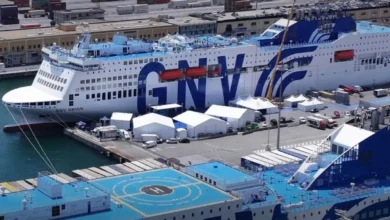
The Italian shipping company GNV (Grandi Navi Veloci) is on the verge of launching a new maritime connection between Gênes and Alger, as reported by the specialized platform Alinavi. This initiative is significant, as it could herald the revival of maritime routes between Italy and Algeria that were suspended during the last summer season. The re-establishment of this connection not only aims to facilitate travel for the Algerian diaspora in Italy but also seeks to enhance trade and tourism relations between the two nations.
The Importance of Maritime Links in the Maghreb Region
Maritime transport plays a crucial role in the economy of the Maghreb region, which includes Morocco, Tunisia, and Algeria. The ports of Tanger and Casablanca in Morocco, Tunis in Tunisia, and Alger in Algeria are pivotal for facilitating both passenger and freight transport. This new Gênes-Alger route is expected to contribute to the economic dynamics of the region by providing a direct link for travelers and goods.
Currently, GNV operates crossings to Algeria from the port of Sète, connecting Alger and Béjaïa with two weekly departures for each destination. The establishment of the Gênes-Alger line represents a strategic axis for Algerian travelers residing in Italy and southern Europe, allowing them a convenient and direct means of reaching their homeland.
Historical Context of Maritime Links Between Italy and Algeria
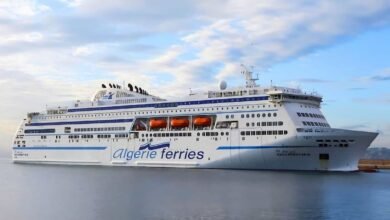
The establishment of the Gênes-Alger line by GNV signals the return of a historic maritime connection. In the past, the Algerian state shipping company, Algérie Ferries, provided services between Gênes, Skikda, and Annaba. However, during the last summer season, travelers found themselves limited in options, often having to rely on French or Spanish ports to access Algeria, as no services were offered directly from Gênes.
With this new maritime service, GNV could provide a direct alternative for a significant portion of the Algerian diaspora in Italy. Presently, Algeria is accessible from various ports, including Marseille, Sète, Alicante, Barcelona, Valencia, and Almería. The introduction of the Gênes-Alger line could significantly revitalize maritime exchanges between Italy and Algeria, especially with the anticipated increase in travel demand during the upcoming summer season.
Anticipated Benefits for Travelers and the Economy
Travelers eagerly await further details regarding the opening date, crossing schedules, and tariffs to be applied by GNV. The new link not only promises to reduce travel times but also to enhance the overall travel experience for passengers. The ease of access to Algeria could lead to an increase in tourism, encouraging more travelers to explore the rich cultural and historical heritage of Algeria.
Moreover, the revival of this maritime connection is likely to stimulate economic activities, promoting trade between Algeria and Italy. The Italian market is crucial for Algerian exports, particularly in sectors such as agriculture, textiles, and raw materials. A reliable maritime link would facilitate smoother logistics and transportation of goods, contributing to the growth of the Algerian economy.
The Future of Maritime Transport in the Maghreb
The maritime sector in the Maghreb is witnessing a transformative phase, with several shipping companies enhancing their services and expanding their routes. GNV’s initiative is just one of many developments in this dynamic industry. Companies like Corsica Linea and Algérie Ferries are also refining their offerings to meet the growing demand for passenger and freight transport.
Recent statistics indicate that the maritime transport sector in the Maghreb has been steadily growing, with an increase in the number of passengers and freight transported over the past few years. According to a report by the United Nations Conference on Trade and Development (UNCTAD), the total volume of cargo handled by North African ports reached approximately 200 million tons in 2022, reflecting the increasing importance of maritime trade in the region.
Challenges Facing Maritime Transport in the Region
Despite the promising developments, the maritime transport sector in the Maghreb still faces several challenges. Issues such as port congestion, outdated infrastructure, and regulatory hurdles can hinder operational efficiency. Additionally, the COVID-19 pandemic has had lasting effects on travel patterns, leading to fluctuating demand for maritime services.
To address these challenges, governments in the region are being urged to invest in port infrastructure and modernize their facilities. Enhanced logistics and port management systems are essential to streamline operations and improve the overall efficiency of maritime transport.
Looking Ahead: Upcoming Announcements and Developments
As GNV prepares to launch the Gênes-Alger line, other shipping companies are also expected to announce new routes and services. The maritime industry is closely monitoring developments, particularly regarding links between France and Algeria, as well as between Spain and Algeria. The demand for maritime transport remains high, and the upcoming summer season is anticipated to bring a surge in travel, emphasizing the need for reliable and efficient services.
In conclusion, the impending launch of the Gênes-Alger maritime line by GNV represents a significant step forward in enhancing maritime connectivity between Italy and Algeria. This initiative not only supports the needs of the Algerian diaspora but also opens up new opportunities for trade and tourism. As the maritime transport sector continues to evolve, stakeholders must collaborate to address challenges and seize opportunities for growth, ensuring a prosperous future for maritime operations in the Maghreb region.