New Tax for Algerians Leaving by Ferry in 2026
New Tax for Algerians Leaving by Ferry in 2026
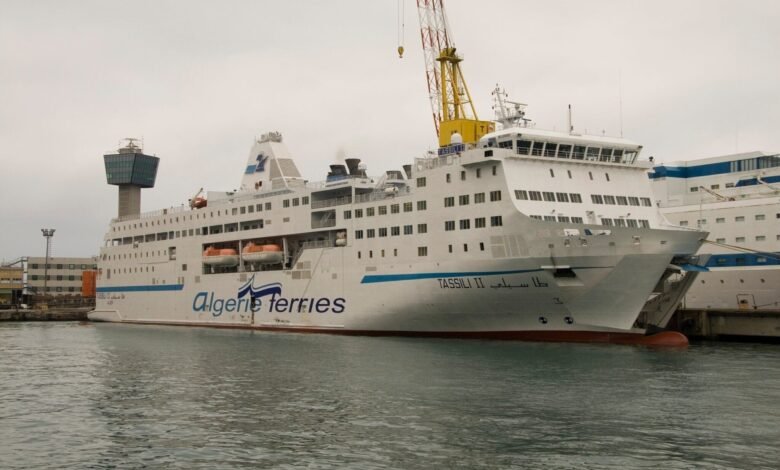
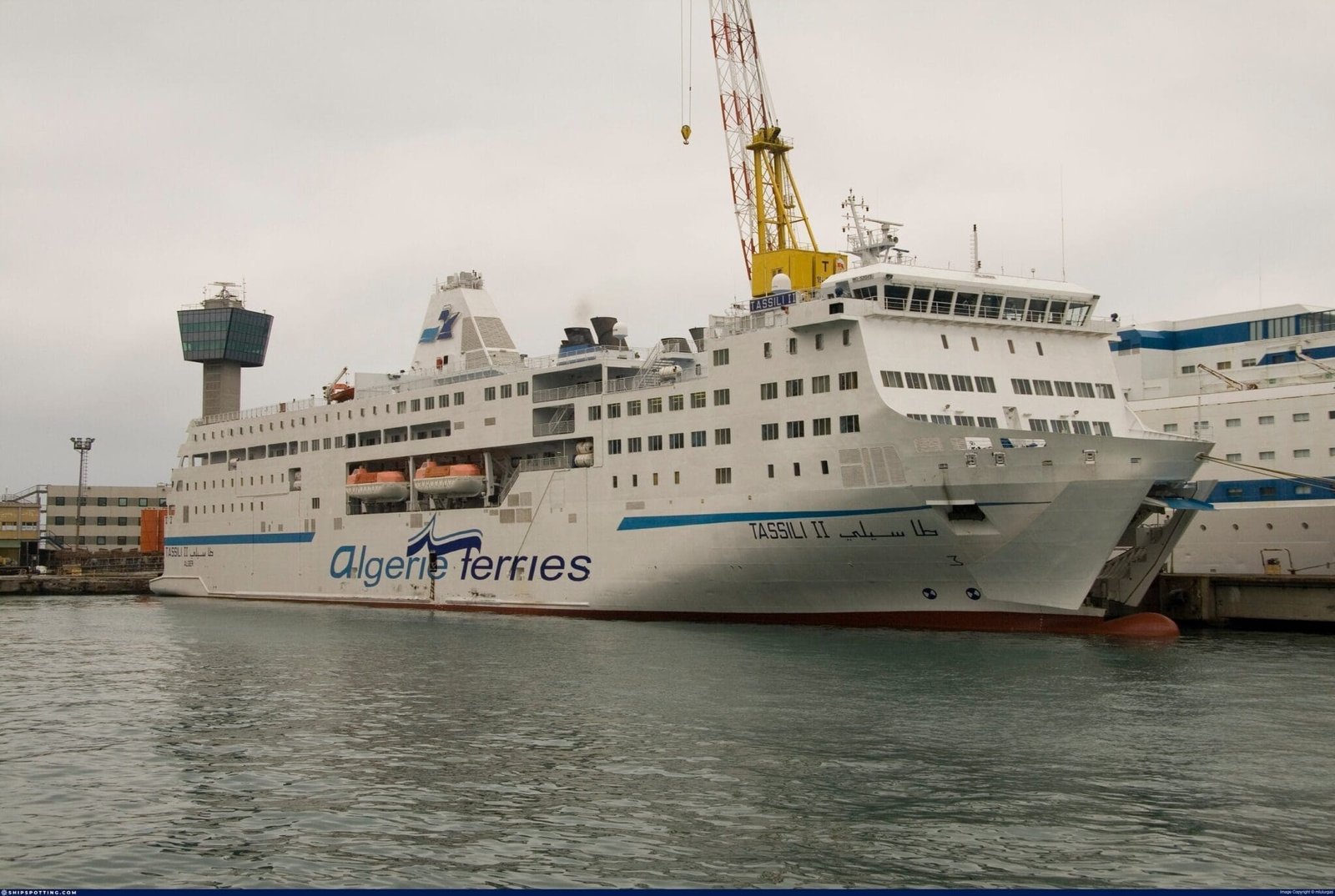
Starting January 1, 2026, Algerians wishing to leave the country with their vehicles by ferry will face a new tax. This measure, established by the 2026 Finance Law, introduces a Fuel Consumption Tax (TCT) aimed at regulating the consumption of subsidized fuel. This directly impacts ferry passengers traveling from Algeria abroad, particularly those using their vehicles. This change in travel conditions marks a turning point in the Algerian maritime sector, raising questions among travelers. In this article, we will explore this new regulation in detail, how it works, and its impact on the travel habits of Algerians.
What is the New Fuel Consumption Tax?
The Fuel Consumption Tax (TCT) has been introduced to regulate fuel consumption when vehicles exit Algerian territory. This tax applies to all vehicles crossing borders, whether by land or sea. Indeed, Algeria, with its vast hydrocarbon resources, has long subsidized fuel to support households and businesses. However, this policy has led to excessive consumption and increased pressure on public finances. The measure has been implemented to regulate the use of subsidized fuel resources and encourage travelers to be more responsible in terms of energy consumption.
How the TCT Works
The TCT will be calculated based on the fuel consumption of vehicles as they exit the country. The tax amount will vary depending on the type of vehicle and its fuel efficiency. This means that larger, less efficient vehicles may incur a higher tax than smaller, more fuel-efficient ones. The implementation of this tax could lead to a shift in the types of vehicles that Algerians choose to take on ferry trips.
Impact on Ferry Travel
Ferry travel from Algeria is popular among many citizens, especially for those wishing to travel to Europe or other nearby countries. The introduction of the TCT may affect travel plans for many Algerians. Some may choose to travel less frequently or look for alternative transportation methods to avoid the additional costs. Additionally, the new tax may impact the ferry companies themselves, as they might need to adjust their pricing strategies to accommodate these changes.
Objectives of the TCT
The main objectives of the TCT include:
- Regulating the consumption of subsidized fuel to preserve national resources.
- Reducing the environmental impact related to greenhouse gas emissions by encouraging travelers to adopt more sustainable practices.
Environmental Benefits
By imposing the TCT, the Algerian government aims to promote environmental sustainability. The excessive consumption of subsidized fuel has contributed to higher carbon emissions, which are detrimental to the environment. This tax is expected to motivate travelers to consider more eco-friendly travel options. For more information on environmental initiatives in Algeria, you can visit Algérie Eco.
Economic Implications
The TCT is not only about regulating fuel consumption; it also has broader economic implications. By reducing subsidies on fuel, the Algerian government can redirect funds towards other essential sectors, such as education and healthcare. This shift could potentially lead to improved public services for citizens. For a detailed overview of Algeria’s economic reforms, check out World Bank Algeria Overview.
Conclusion
In conclusion, the introduction of the Fuel Consumption Tax (TCT) represents a significant change for Algerians planning to travel by ferry with their vehicles starting January 1, 2026. While the primary aim of this tax is to regulate fuel consumption and promote sustainability, its impact on travel habits and the maritime sector cannot be overlooked. Travelers should stay informed about these changes and consider the potential effects on their travel plans. For updates on travel regulations and ferry services, visit Balearia Ferries which provides information on ferry services in the Mediterranean.
As the implementation date approaches, Algerians are encouraged to adapt to these regulations and consider their travel choices carefully.