Nouvelle compagnie maritime algérienne : Qu’en est-il réellement
algérienne : Qu'en est-il réellement
La compagnie maritime nationale Algérie Ferries vit une période difficile en pleine saison estivale, notamment en raison de l’immobilisation de certains de ses navires. Cela a provoqué un gros chamboulement dans le programme de traversées de la compagnie. Au milieu de cette tourmente, l’on annonce la naissance d’une nouvelle compagnie maritime qui fera la concurrence à la compagnie algérienne.
Cette annonce, qui n’est pas encore officielle, a été faite sur les réseaux sociaux par une jeune femme très active sur Facebook. Une femme qui publie de nombreuses informations sur le transport aérien et maritime en Algérie, notamment concernant les compagnies Algérie Ferries et Air Algérie. Cette jeune femme, qui communique sous le pseudonyme Meli Ness a partagé une publication dans une page Facebook dédiée au voyage de et vers l’Algérie.
Cependant, il reste à savoir si ce projet verra réellement le jour. Les commentaires sur la publication en question sont divisés entre le doute que ce soit vrai et l’espoir que ce soit concrétisé. Mais cette nouvelle compagnie a déjà créé un site Internet avec un compte à rebours pour un début de fonctionnement pour la fin du mois d’août. Il y a même une page Facebook créée récemment qui compte déjà près de 400 abonnés.
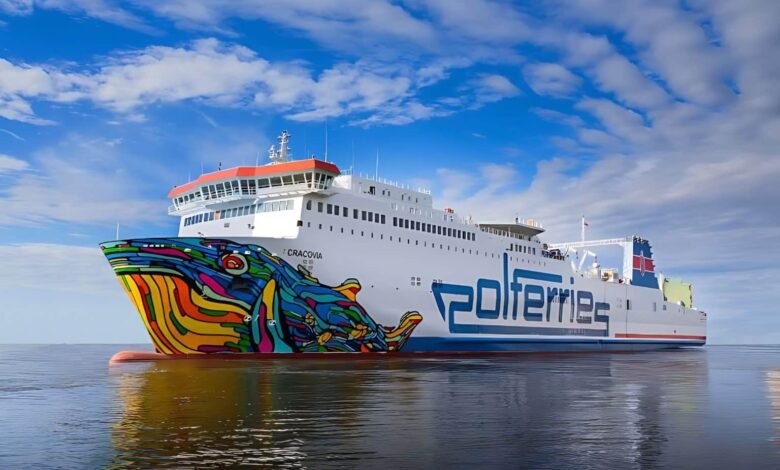
Mais il faut dire que le doute qui a pris les internautes est conforté par la photo illustrant la publication en question. Sur cette photo, on voit le navire Cracovia, un bâtiment polonais battant pavillon des Bahamas. Et si l’on consulte le site Vessel Finder, on localise le Cracovia sur le littoral polonais, pas très loin de la frontière allemande. C’est ce qui fait dire à certains commentateurs que l’information n’est pas crédible. Mais en réalité, c’est ce carferry polonais que la nouvelle compagnie a affrété pour entamer ses traversées.
« Avec notre ferry CRACOVIA, nous sommes prêts à offrir des services de transport exceptionnels en Méditerranée. Notre mission est de transformer l’industrie maritime en Algérie et de l’élever à un tout autre niveau, rendant chaque voyage passionnant et mémorable », est-il écrit sur la page Facebook de Nouris El Bahr Ferries.
La compagnie maritime nationale Algérie Ferries vit une période difficile en pleine saison estivale, notamment en raison de l’immobilisation de certains de ses navires. Cela a provoqué un gros chamboulement dans le programme de traversées de la compagnie. Au milieu de cette tourmente, l’on annonce la naissance d’une nouvelle compagnie maritime qui fera la concurrence à la compagnie algérienne.
Cette annonce, qui n’est pas encore officielle, a été faite sur les réseaux sociaux par une jeune femme très active sur Facebook. Une femme qui publie de nombreuses informations sur le transport aérien et maritime en Algérie, notamment concernant les compagnies Algérie Ferries et Air Algérie. Cette jeune femme, qui communique sous le pseudonyme Meli Ness a partagé une publication dans une page Facebook dédiée au voyage de et vers l’Algérie.
« Un peu de concurrence sur le marché ne fait jamais de mal, n’est-ce pas, Algérie Ferries ? » lance aussi Meli Ness, qui affirme que les promoteurs de la nouvelle compagnie maritime Nouris El Bahr Ferries « ont pour mission de révolutionner l’industrie maritime en Algérie, en élevant les standards et en rendant chaque voyage aussi agréable qu’inoubliable ». Une belle phrase qui fait bien la promotion de la nouvelle compagnie.
Lancement programmé pour fin août
La compagnie maritime nationale Algérie…
Cependant, il reste à savoir si ce projet verra réellement le jour. Les commentaires sur la publication en question sont divisés entre le doute que ce soit vrai et l’espoir que ce soit concrétisé. Mais cette nouvelle compagnie a déjà créé un site Internet avec un compte à rebours pour un début de fonctionnement pour la fin du mois d’août. Il y a même une page Facebook créée récemment qui compte déjà près de 400 abonnés.
Mais il faut dire que le doute qui a pris les internautes est conforté par la photo illustrant la publication en question. Sur cette photo, on voit le navire Cracovia, un bâtiment polonais battant pavillon des Bahamas. Et si l’on consulte le site Vessel Finder, on localise le Cracovia sur le littoral polonais, pas très loin de la frontière allemande. C’est ce qui fait dire à certains commentateurs que l’information n’est pas crédible. Mais en réalité, c’est ce carferry polonais que la nouvelle compagnie a affrété pour entamer ses traversées.
Mais il faut dire que…
« Avec notre ferry CRACOVIA, nous sommes prêts à offrir des services de transport exceptionnels en Méditerranée. Notre mission est de transformer l’industrie maritime en Algérie et de l’élever à un tout autre niveau, rendant chaque voyage passionnant et mémorable », est-il écrit sur la page Facebook de Nouris El Bahr Ferries.
La compagnie maritime nationale Algérie Ferries vit une période difficile en pleine saison estivale, notamment en raison de l’immobilisation de certains de ses navires. Cela a provoqué un gros chamboulement dans le programme de traversées de la compagnie. Au milieu de cette tourmente, l’on annonce la naissance d’une nouvelle compagnie maritime qui fera la concurrence à la compagnie algérienne.
Cette annonce, qui n’est pas encore officielle, a été faite sur les réseaux sociaux par une jeune femme très active sur Facebook. Une femme qui publie de nombreuses informations sur le transport aérien et maritime en Algérie, notamment concernant les compagnies Algérie Ferries et Air Algérie. Cette jeune femme, qui communique sous le pseudonyme Meli Ness a partagé une publication dans une page Facebook dédiée au voyage de et vers l’Algérie.
Situation actuelle d'Algérie Ferries pendant l'été
Problèmes d'immobilisation des navires
Cependant, il reste à savoir si ce projet verra réellement le jour. Les commentaires sur la publication en question sont divisés entre le doute que ce soit vrai et l’espoir que ce soit concrétisé. Mais cette nouvelle compagnie a déjà créé un site Internet avec un compte à rebours pour un début de fonctionnement pour la fin du mois d’août. Il y a même une page Facebook créée récemment qui compte déjà près de 400 abonnés.
Mais il faut dire que le doute qui a pris les internautes est conforté par la photo illustrant la publication en question. Sur cette photo, on voit le navire Cracovia, un bâtiment polonais battant pavillon des Bahamas. Et si l’on consulte le site Vessel Finder, on localise le Cracovia sur le littoral polonais, pas très loin de la frontière allemande. C’est ce qui fait dire à certains commentateurs que l’information n’est pas crédible. Mais en réalité, c’est ce carferry polonais que la nouvelle compagnie a affrété pour entamer ses traversées.
Annonce d'une nouvelle compagnie maritime algérienne
« Avec notre ferry CRACOVIA, nous sommes prêts à offrir des services de transport exceptionnels en Méditerranée. Notre mission est de transformer l’industrie maritime en Algérie et de l’élever à un tout autre niveau, rendant chaque voyage passionnant et mémorable », est-il écrit sur la page Facebook de Nouris El Bahr Ferries.
La compagnie maritime nationale Algérie Ferries vit une période difficile en pleine saison estivale, notamment en raison de l’immobilisation de certains de ses navires. Cela a provoqué un gros chamboulement dans le programme de traversées de la compagnie. Au milieu de cette tourmente, l’on annonce la naissance d’une nouvelle compagnie maritime qui fera la concurrence à la compagnie algérienne.
Origine de l'information et sources sur les réseaux sociaux
Cette annonce, qui n’est pas encore officielle, a été faite sur les réseaux sociaux par une jeune femme très active sur Facebook. Une femme qui publie de nombreuses informations sur le transport aérien et maritime en Algérie, notamment concernant les compagnies Algérie Ferries et Air Algérie. Cette jeune femme, qui communique sous le pseudonyme Meli Ness a partagé une publication dans une page Facebook dédiée au voyage de et vers l’Algérie.
« Un peu de concurrence sur le marché ne fait jamais de mal, n’est-ce pas, Algérie Ferries ? » lance aussi Meli Ness, qui affirme que les promoteurs de la nouvelle compagnie maritime Nouris El Bahr Ferries « ont pour mission de révolutionner l’industrie maritime en Algérie, en élevant les standards et en rendant chaque voyage aussi agréable qu’inoubliable ». Une belle phrase qui fait bien la promotion de la nouvelle compagnie.
Réactions des internautes face à cette annonce
Lancement programmé pour fin août
La compagnie maritime nationale Algérie…
Cependant, il reste à savoir si ce projet verra réellement le jour. Les commentaires sur la publication en question sont divisés entre le doute que ce soit vrai et l’espoir que ce soit concrétisé. Mais cette nouvelle compagnie a déjà créé un site Internet avec un compte à rebours pour un début de fonctionnement pour la fin du mois d’août. Il y a même une page Facebook créée récemment qui compte déjà près de 400 abonnés.
Doutes et espoirs des voyageurs algériens
Mais il faut dire que le doute qui a pris les internautes est conforté par la photo illustrant la publication en question. Sur cette photo, on voit le navire Cracovia, un bâtiment polonais battant pavillon des Bahamas. Et si l’on consulte le site Vessel Finder, on localise le Cracovia sur le littoral polonais, pas très loin de la frontière allemande. C’est ce qui fait dire à certains commentateurs que l’information n’est pas crédible. Mais en réalité, c’est ce carferry polonais que la nouvelle compagnie a affrété pour entamer ses traversées.
Mais il faut dire que…
Perspectives de la nouvelle compagnie maritime
« Avec notre ferry CRACOVIA, nous sommes prêts à offrir des services de transport exceptionnels en Méditerranée. Notre mission est de transformer l’industrie maritime en Algérie et de l’élever à un tout autre niveau, rendant chaque voyage passionnant et mémorable », est-il écrit sur la page Facebook de Nouris El Bahr Ferries.