
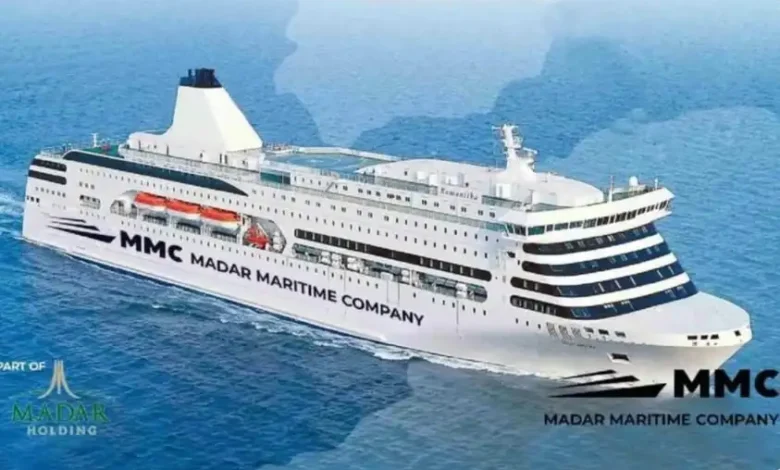
First tourist cruise between Algiers and Tunis: what to know about this one-of-a-kind journey
For many travelers in North Africa, moving between Algeria and Tunisia often means flying, driving, or taking a standard ferry route when available. But at the end of 2025, a different model made headlines: a multi-day maritime cruise designed not just as transportation, but as a complete holiday experience—combining sea travel, accommodation, entertainment, and guided excursions in Tunisia.
According to the information shared about the project, around 500 Algerian travelers boarded the Romantika for an eight-day itinerary that blended coastal relaxation with cultural discovery. The cruise departed from the Port of Algiers on December 29, 2025, reached Tunisia via the Port of La Goulette, and included visits to iconic places such as Tunis, Carthage, Sidi Bou Saïd, Hammamet, Sousse, and Kairouan. Beyond sightseeing, the onboard experience highlighted cultural and artistic activities led by Algerian and Tunisian performers, reinforcing the trip’s “people-to-people” dimension.
What makes this story important isn’t only the novelty of a cruise between two neighboring capitals. It’s the broader signal: the Maghreb is exploring new ways to package travel, and maritime tourism is increasingly seen as a lever for regional cooperation—an idea that can resonate beyond Algeria–Tunisia and interest the wider region, including Morocco, where tourism strategy and Mediterranean travel are also major topics.
Below is a clear, practical breakdown of what this cruise model means, how it works, and what travelers should check before booking something similar.
1) A cruise, not a regular ferry line: why the distinction matters
One of the most common misunderstandings with projects like this is assuming it creates a new “line” you can take any day, like a routine ferry service. In this case, the cruise was presented as a tourist product with fixed dates, a structured schedule, and a curated program. That changes several things:
- Timing is fixed: you travel on set departure/return dates.
- The experience is packaged: you pay for a bundle (cabin + food options + entertainment + excursions depending on the offer).
- The ship becomes part of the destination: your evenings, meals, and social activities happen onboard, like a resort—often described as a “floating hotel.”
From a traveler’s perspective, the “cruise mindset” helps you plan properly: you’re not just purchasing a crossing, you’re buying a multi-day holiday where the ship is your base.
2) Who organized it, and what ship was used?
The trip was reported as being organized by DigiBooking, with the ship itself being the Romantika. In parallel, multiple industry sources confirm that Tallink chartered the cruise ferry Romantika to Algeria’s state-owned Madar Maritime Company (MMC), which helps explain how the vessel became available for operations connected to Algeria.
What “charter” means (simple explanation)
A charter arrangement typically means a company operates a vessel for a defined period under agreed conditions (commercial terms, technical support, etc.). For travelers, the key takeaway is: the ship may have a long history on other routes, but it’s being deployed temporarily to serve a new market or new itinerary. Tallink itself lists Romantika as chartered outside its usual operations.
3) The route and ports: Algiers → La Goulette → Tunisian highlights
Departure from Algiers
The journey was said to begin from the Port of Algiers on December 29, 2025, setting a symbolic tone: a festive season departure, when many travelers are eager for short breaks or cultural trips.
Arrival at La Goulette (Tunisia)
The ship docked at La Goulette, Tunisia’s key passenger and cruise gateway near Tunis. This isn’t just a random port choice: La Goulette is recognized for receiving passenger ships and cruise calls, making it a logical entry point for this kind of maritime tourism.
Excursions across Tunisia
The program described for travelers focused on Tunisia’s “greatest hits” for first-time visitors:
- Tunis (historic medina + modern city life)
- Carthage (ancient heritage)
- Sidi Bou Saïd (iconic coastal village)
- Hammamet and Sousse (seaside resorts and coastal culture)
- Kairouan (religious and cultural heritage)
From a tourism perspective, this mix makes sense: it combines history, culture, and beach time—the classic trio that makes Tunisia attractive to regional travelers. For anyone wanting to explore Tunisia’s cultural and coastal diversity, the national tourism portal provides a useful overview of destinations and themes.
4) Onboard life: why passengers called it “immersive”
A typical crossing can feel like “dead time” between two places. Cruises try to flip that: your time at sea becomes part of the value. The Romantika trip was described as featuring onboard entertainment and cultural programming, including activities led by Algerian and Tunisian artists.
Why does that matter?
- It reduces the friction of travel (you’re entertained instead of waiting).
- It creates shared memories and a social atmosphere.
- It reinforces the idea of cultural exchange—important in neighboring countries with deep historical and family ties.
The testimonial included in your source text (comfort, warm welcome, unforgettable moments) fits what cruise operators aim for: converting passengers into ambassadors who want to repeat the experience and recommend it.
5) The “floating hotel” concept: what to expect in practice
Marketing phrases like “7-star floating hotel” should be read as promotional language rather than an official star rating. Still, it points to a real intention: positioning the product as a higher-comfort maritime experience.
In practical terms, when a cruise ferry is used as a holiday platform, the experience usually revolves around:
- Cabin categories (inside/outside, different bed setups)
- Food and dining (buffets, restaurants, set menus)
- Leisure spaces (lounges, shows, kids’ spaces depending on the ship)
- Daily programming (music, cultural nights, themed events)
If you’re advising readers on what to check, these are the must-confirm items before paying:
- cabin type and what’s included
- meal plan and timings
- excursion schedule (duration, transport, languages)
- port procedures and meeting points
- cancellation/change conditions
6) Why this matters for Algeria–Tunisia cooperation (and the wider Maghreb, including Morocco)
This cruise can be read as a pilot test for a broader strategy:
- Tourism diversification: offering something beyond flights and hotel stays.
- Maritime value creation: jobs and services tied to ports, guides, transport, and onboard staffing.
- Regional storytelling: presenting the Maghreb as interconnected—not isolated markets.
Even if Morocco was not part of this specific itinerary, Morocco is relevant in the regional conversation because it’s a major tourism player in the Maghreb and a reference point when audiences compare destination branding, seasonal offers, and Mediterranean travel concepts. In other words, an Algeria–Tunisia maritime success story can influence how the region thinks about cruise tourism more broadly.
7) Practical travel tips (simple checklist for readers)
If your audience is considering a similar maritime cruise, add a short “before you go” section:
- Confirm documents: passport validity, entry requirements, insurance.
- Save your booking offline: ports can be crowded; connectivity isn’t always perfect.
- Arrive early at the port: check-in and vehicle/pedestrian flows can take time.
- Pack for two worlds: onboard evenings can be cooler; excursions may require comfortable walking shoes.
- Budget wisely: separate “cruise cost” from “spending on land” (souvenirs, optional tours, tips).
8) Key takeaway
This first Algiers–Tunis tourist cruise shows how maritime travel can evolve from a simple crossing into a structured holiday product. By combining transport, accommodation, entertainment, and cultural discovery, the project highlights the potential of cruise tourism in the Mediterranean Maghreb—especially between Algeria and Tunisia, and with broader relevance for regional tourism conversations that also include Morocco.
If replicated and refined, this kind of offer could become a seasonal highlight: a “sea-based city break” that turns the journey itself into the destination.