رحلات بحرية في البحر الأبيض المتوسط: غوص في قلب الكنوز المغاربية
تجربة لا تُنسى في البحر الأبيض المتوسط
تستمر الرحلات البحرية في البحر الأبيض المتوسط في جذب المسافرين في عام 2025 الباحثين عن الهروب والاكتشاف والود. هذا البحر، الذي شهد العديد من الحضارات، يقدم مجموعة من المناظر الخلابة وثقافة غنية للاستكشاف. يُعتبر المغرب، تونس والجزائر، بسواحله الذهبية، وجهة رئيسية في هذا العالم البحري الحالم. تمثل الرحلات البحرية صيغة سفر شاملة، تجمع بين النقل، الإقامة والمأكولات، مما يجعلها خياراً مفضلاً للعائلات والأزواج. فهي لا تتيح فقط الاستمتاع بجمال السواحل، بل تخلق أيضاً ذكريات لا تُنسى من خلال مشاركة لحظات الفرح، بدءاً من الإعجاب بغروب الشمس إلى مشاعر اللقاءات غير المتوقعة.
المغرب: ملتقى ثقافي
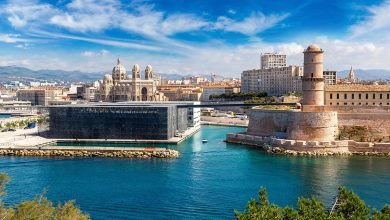
تزداد شعبية الموانئ المغاربية الرئيسية، مثل كازابلانكا، تونس والجزائر، في مسارات شركات الرحلات البحرية. هذه المدن، التي تحمل عبق التاريخ، تقدم تجربة فريدة في تنوع التقاليد المتوسطية. كازابلانكا، بهندستها المعمارية الحديثة وأسواقها النابضة بالحياة، تجذب عشاق التخطيط الحضري المعاصر. تونس، مع المدينة العتيقة في القيروان المدرجة في قائمة التراث العالمي لليونسكو، تأسر بصدقها. الجزائر، من جانبها، تأسر بمناظرها الخلابة وتاريخها الغني. في عام 2025، تركز شركات الرحلات البحرية على خلق تجارب أصيلة. تتجاوز الرحلات المقترحة الزيارات التقليدية، لتشمل ورش عمل حرفية ودروس طهي، مما يتيح للركاب تذوق المأكولات المتوسطية الحقيقية. هذا العودة إلى الجذور، بعيداً عن المسارات المألوفة، يجذب المسافرين الباحثين عن الأصالة والاكتشاف.
سوق في حالة توسع
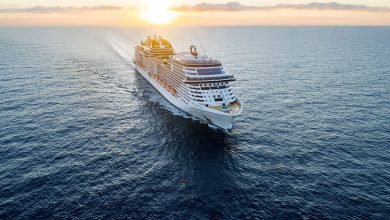
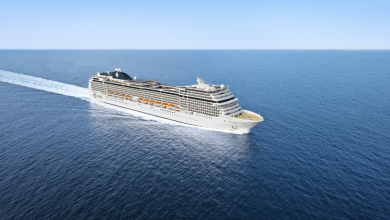
يشهد قطاع الرحلات البحرية في البحر الأبيض المتوسط نشاطاً كبيراً، مع ظهور شركات جديدة وسفن فاخرة. تستثمر شركات رئيسية مثل MSC Cruises وCosta Cruises في بنى تحتية موانئ مناسبة لاستقبال سفن أكبر حجماً، مما يدل على النمو المستمر لعدد الركاب في السنوات القادمة. في الوقت نفسه، تزداد الطلب على الرحلات البحرية المستدامة بشكل كبير. يبحث الركاب عن شركات ملتزمة بممارسات مستدامة، مثل استخدام وقود أقل تلوثاً وإدارة النفايات على متن السفن. تصبح حماية النظم البيئية البحرية قضية مركزية، خاصة في مواجهة الآثار السلبية لتغير المناخ على البحر الأبيض المتوسط.
مشاعر للمشاركة في البحر
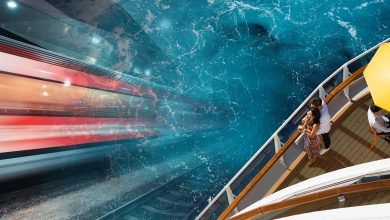
تعتبر الطبيعة الاجتماعية للرحلات البحرية أساسية. كل لحظة على متن السفينة تعزز التفاعلات وخلق صداقات جديدة. سواء خلال العشاء الموضوعي، أو الأمسيات الراقصة، أو ورش الاكتشاف، هناك العديد من الفرص لصياغة ذكريات لا تُنسى. تجد الأزواج والعائلات في هذه المساحات الودية جواً مناسباً للهروب والاسترخاء. تصبح الرحلات البحرية أيضاً إطاراً لقصص حب جميلة وصداقات غير متوقعة. يشارك الركاب رواياتهم بينما يستمتعون بمناظر خلابة، مع شعار: استمتع بكل لحظة. سواء كان ذلك في نزهات عند غروب الشمس على السطح أو توقفات في المدن الساحلية الساحرة في المغرب، تتحول كل لحظة إلى فرصة للدهشة والمشاركة.
خاتمة
تتجاوز الرحلات البحرية في البحر الأبيض المتوسط، وخاصة في المغرب، مجرد النقل لتقديم مغامرة إنسانية وثقافية فريدة. في عام 2025، تعيد هذه التجارب ابتكار نفسها لتلبية توقعات عملاء أكثر تطلباً، مع الحفاظ على ثراء وتنوع هذا الفضاء البحري المشترك. بينما تجوب السفن المياه الزرقاء، تحمل معها قصصاً مثيرة، وذكريات ثمينة، ومجموعة من المشاعر للعيش والاعتزاز بها.