Croisières en Méditerranée 2025 : Immersion Culturelle et Paysages Éblouissants
L’été 2025 s’annonce comme une période captivante pour les passionnés de croisières, avec des itinéraires audacieux et des expériences immersives en Méditerranée et au-delà. Les grandes compagnies de croisières, telles qu’Azamara, dévoilent dès à présent leurs nouvelles traversées, promettant aux voyageurs une immersion totale dans les cultures locales et des paysages époustouflants. Cet article se penche sur les perspectives des croisières en Méditerranée et au Maghreb, tout en soulignant l’essor de cette industrie dans la région.
Des Escales Prolongées pour une Expérience Authentique
Parmi les innovations phares des croisières Azamara pour l’été 2025, le concept de « Double Night Stays » se distingue. Ce format permet aux passagers de séjourner deux nuits dans des ports emblématiques tels que Séville, en Espagne, ou Bordeaux, en France. Cette approche favorise une immersion profonde dans la culture locale, permettant aux voyageurs de découvrir les marchés animés, de savourer des spécialités culinaires régionales et de s’immerger dans les traditions et la musique locales, sans la contrainte du temps.
Cette tendance s’inscrit dans un mouvement plus large observé au sein de l’industrie des croisières, où la demande pour des séjours prolongés et des expériences culturelles authentiques ne cesse de croître. Les voyageurs recherchent de moins en moins des croisières classiques, préférant des aventures personnalisées qui leur permettent de se connecter véritablement avec les destinations visitées.
Explorer la Nature Éblouissante de la Méditerranée et au-delà
Les itinéraires proposés par Azamara ne se limitent pas à la découverte des grandes villes. En 2025, les croisiéristes auront également l’occasion d’explorer des merveilles naturelles, notamment la majestueuse chute d’eau de Sermitsiaq au Groenland et les fjords spectaculaires, parmi les plus imposants au monde. Ce type d’expérience attire de plus en plus de passionnés de nature et d’aventure, désireux de découvrir des lieux hors des sentiers battus.
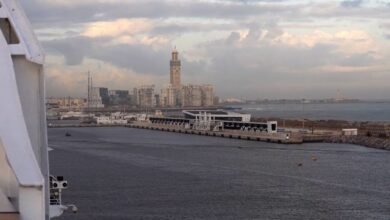
Au Maghreb, des ports marocains tels que Marrakech et Tanger émergent comme des destinations prisées pour les croisières. Ces villes offrent un riche patrimoine culturel et historique, allant des médinas vibrantes aux souks animés. Le développement des infrastructures portuaires et des services touristiques dans ces régions facilite l’arrivée des navires de croisière, ce qui peut dynamiser l’économie locale et créer de nouveaux emplois.
Les Avantages de la Réservation Anticipée
Pour les voyageurs désireux de naviguer en Méditerranée en 2025, Azamara propose un « Early Booking Bonus », offrant une réduction de 30 % pour les réservations effectuées à l’avance. Cette offre représente une opportunité particulièrement attrayante pour ceux qui prévoient leurs vacances longtemps à l’avance, tout en témoignant de la volonté de la compagnie d’encourager une planification proactive et des réservations plus sécurisées.
Les croisières de 2025 incluent une gamme variée de forfaits, adaptés à divers budgets et préférences. Que ce soit des croisières de courte durée ou des voyages plus longs à travers plusieurs pays, les options sont nombreuses et séduisantes, promettant des expériences mémorables pour tous les types de voyageurs.
Un Secteur en Pleine Expansion
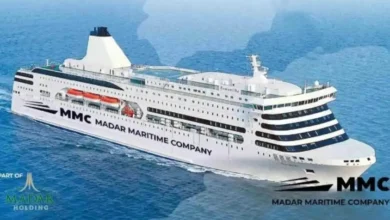
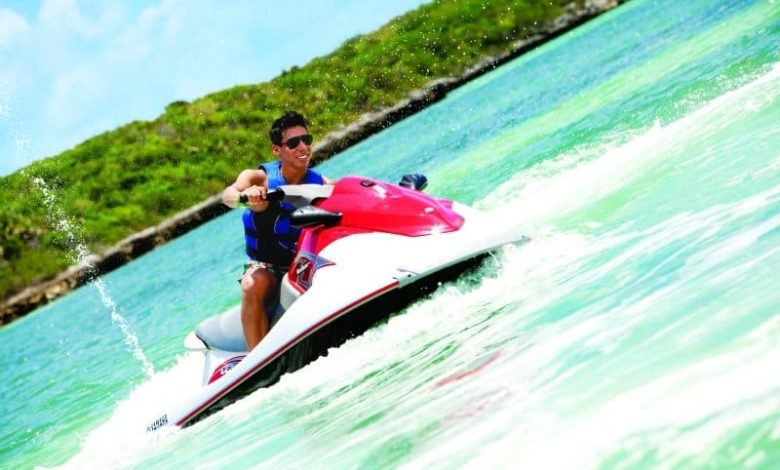
Le secteur des croisières enregistre une croissance significative à l’échelle mondiale, et la Méditerranée ne fait pas exception. Chaque année, cette région attire des millions de croisiéristes, séduits par ses paysages enchanteurs, sa riche histoire et sa diversité culturelle. Les acteurs de cette industrie s’efforcent d’offrir des expériences de plus en plus personnalisées, allant des excursions à terre aux activités à bord des navires.
En parallèle, le développement durable devient un enjeu majeur pour l’industrie. Les compagnies de croisières prennent conscience de leur impact environnemental et s’engagent à adopter des pratiques plus durables. Cela inclut l’utilisation de navires à faibles émissions, la réduction des déchets et la sensibilisation des passagers à la préservation des écosystèmes marins.
En conclusion, l’été 2025 se profile comme une période charnière pour les croisières en Méditerranée, mettant l’accent sur l’authenticité, la durée des séjours et la découverte de paysages naturels remarquables. Pour les pays du Maghreb, cette évolution représente une opportunité de dynamiser le secteur touristique et d’attirer un nombre croissant de visiteurs. Que vous soyez un marin expérimenté ou un novice dans l’univers des croisières, les voyages à venir promettent des souvenirs inoubliables et des découvertes fascinantes.