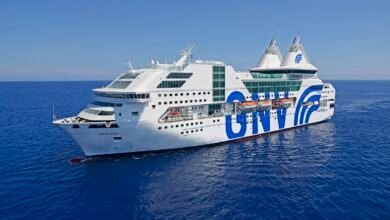
Cruises in the Mediterranean: A Blinding Renaissance at the Heart of Environmental Challenges
A Spectacular Growth in the Cruise Industry
With the sparkling waves of the Mediterranean as its backdrop, the cruise industry is showing impressive signs of resilience. Despite the shadow cast by the Costa Concordia disaster in 2012 and the devastating impacts of the COVID-19 pandemic on forecasts, the sector has bounced back. In 2024, the global number of passengers surpassed 34.6 million, representing a 9% increase from 2023 and a 16% increase from 2019. This intriguing growth raises important questions about the motivations of tourists and the environmental consequences of this thriving dynamic.
On Board: Luxury and Conviviality
Aboard ships like MSC’s Armonia, passengers immerse themselves in a world of luxury and sociability. With its 13 decks and 274 meters in length, Armonia offers overflowing pools, hot tubs, and a multitude of activities ranging from bingo to themed parties. Passengers, often dressed in colorful swimsuits, seem to forget the environmental challenges posed by this industry. In fact, behind the idyllic scene lies growing concerns about waste management, energy consumption, and greenhouse gas emissions – issues that increasingly worry authorities and environmental defenders.
The dedicated staff, comprising 721 members from diverse backgrounds, including the Philippines, India, and Brazil, contributes to a unique on-board experience. However, it is essential to recognize that this internationalization comes with challenges related to working conditions and industry sustainability.
The Gates of the Mediterranean: Opportunities and Tensions
Mediterranean ports like Barcelona, Naples, and Dubrovnik are transforming their infrastructure to adapt to the growing influx of cruise passengers. Although this evolution generates significant economic benefits for these destinations, it does not lack tensions with local populations, often concerned about tourist saturation. In Tunisia, for example, measures have been implemented to regulate the arrival of cruise ships, preserving the authenticity of historical sites and offering an enriching experience for both visitors and residents.
This renewed interest in cruises can also be attributed to the promise of a hassle-free journey. Carefully designed itineraries linking iconic destinations like Venice, Santorin, and Moroccan coastlines allow passengers to discover multiple locations without usual logistical hassles. This all-inclusive model, including meals, shows, and excursions, attracts a diverse clientele – from families to couples seeking a romantic getaway.
Environmental Challenges to Consider
However, the cruise industry is not immune to criticism. Incidents of marine pollution linked to cruise ships, often denounced by non-governmental organizations, raise doubts about the sustainability of this economic model. Although efforts are made to make these ocean giants more eco-friendly, current initiatives remain insufficient. The international community, through agreements like those discussed at United Nations Environment Assembly meetings, strives to impose strict standards to limit pollution, particularly regarding microplastics.
In addition, the cruise industry serves as a barometer of sociocultural trends. The emergence of themed cruises focused on areas such as wellness, gastronomy, or adventure reflects a shift in passenger expectations – seeking customized experiences. In the Mediterranean, some companies innovate by offering voyages that emphasize local culture discovery, small-group excursions, and authentic interactions with communities.
Towards a Sustainable Future
In conclusion, the Mediterranean cruise industry, despite its environmental and social challenges, continues to attract a broad audience. With an increasing number of passengers and constant innovations, the future seems promising. However, it is imperative that sector actors commit to more responsible navigation. Only a sustainable approach can ensure that this expanding phenomenon does not become a burden for oceans and regions it touches.